A cracked furnace heat exchanger is a serious issue that can compromise your heating system’s efficiency and your home’s safety. Recognizing the warning signs early can help prevent costly repairs and protect your household from potential hazards such as carbon monoxide leaks. Homeowners often overlook subtle symptoms, mistaking them for minor furnace problems, but a damaged heat exchanger requires immediate attention. Knowing what to look for and how to respond can make a big difference in keeping your home safe and comfortable during the colder months.
Key indicators of a cracked heat exchanger
Unusual Odors and Their Implications
One of the first signs your furnace heat exchanger may be cracked is unusual odors in your home. When the heat exchanger is compromised, combustion gases that are normally contained within the system can escape into your living space. This often results in a strong, unpleasant smell that resembles formaldehyde or burning metal. These odors are not only unpleasant but can also indicate dangerous gases like carbon monoxide. If you notice these smells, act quickly and avoid using the furnace until a qualified technician inspects it. Prolonged exposure to these gases can lead to health issues such as headaches, dizziness, and nausea. Never ignore these odors, as they clearly warn that your furnace may be unsafe to operate. Addressing the issue promptly can help prevent further damage to your heating system and keep everyone in your home safe.
Visible Damage and Soot Accumulation
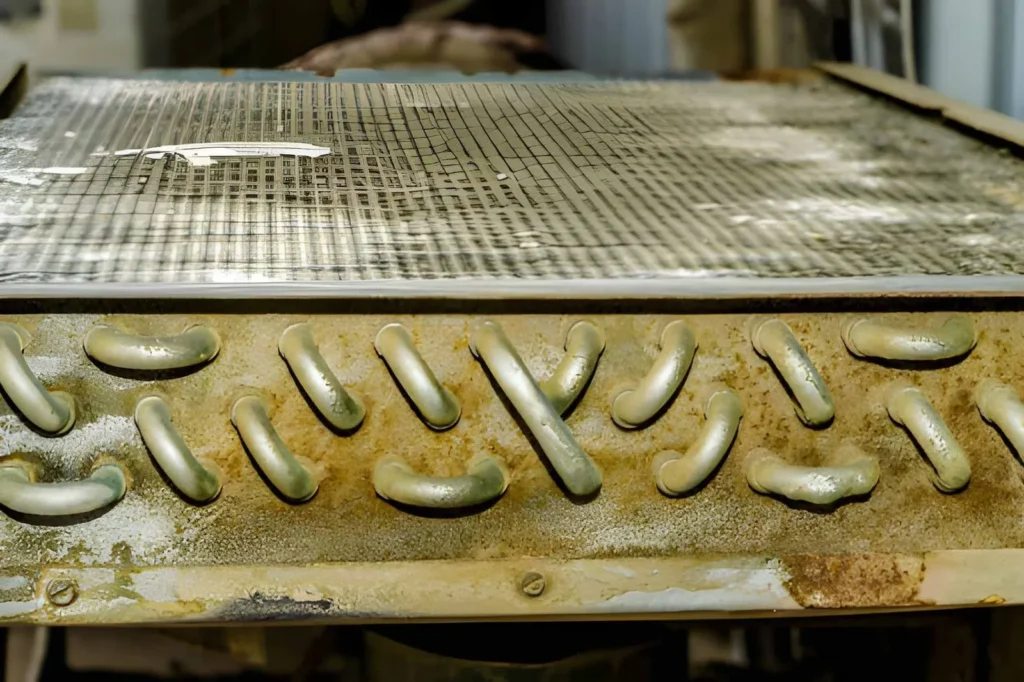
Another key indicator of a cracked heat exchanger is visible damage to the furnace or soot buildup around the unit. When the heat exchanger develops cracks, it can cause incomplete combustion, leading to the production of soot and other byproducts. This soot may collect on the furnace components, vents, or even on nearby walls and ceilings. In some cases, you may also notice rust or corrosion on the heat exchanger itself, which can further weaken the metal and increase the risk of cracks.
If you notice any of these signs, have your furnace inspected as soon as possible. For those in the area, you can visit our Danbury location for a thorough assessment and professional service to address any concerns with your heating system. Ignoring visible damage or soot buildup can reduce furnace efficiency, increase energy bills, and raise the risk of hazardous gas leaks. Regular maintenance and prompt repairs are essential to keep your furnace operating safely and efficiently throughout the heating season.
Unusual Noises During Operation
A cracked heat exchanger can also cause your furnace to make strange noises during operation. These sounds may include rattling, banging, or popping, often caused by metal expanding and contracting as the furnace heats up and cools down. When the heat exchanger is intact, these noises are minimal or nonexistent. However, cracks or holes in the metal can cause parts to move or vibrate in ways they shouldn’t, leading to noticeable sounds that indicate something is wrong. These noises may start out subtle but can become more pronounced over time as the damage worsens. Don’t ignore these auditory warnings, as they can signal a serious problem that needs immediate attention. Continuing to operate a furnace with a cracked heat exchanger can lead to further damage and increase the risk of dangerous gas leaks. If you hear unusual noises coming from your furnace, schedule an inspection to determine the cause and prevent potential safety hazards.
Short Cycling and Reduced Heating Efficiency
Short cycling is a common symptom of a cracked heat exchanger and can significantly affect your furnace’s performance. Short cycling occurs when the furnace turns on and off more frequently than normal, often before reaching the desired temperature. This can happen when the furnace’s safety mechanisms detect a problem and shut down the system to prevent further damage. A cracked heat exchanger can disrupt the normal flow of air and combustion gases, causing the furnace to overheat and shut off prematurely. As a result, your home may not be heated evenly, and you may notice cold spots or inconsistent temperatures throughout your living space. Beyond reduced comfort, short cycling can increase wear and tear on your furnace, raise energy bills, and shorten the unit’s lifespan. Addressing the underlying cause of short cycling is essential to restore your furnace’s efficiency and ensure reliable heating during the colder months.
Health Symptoms Related to Carbon Monoxide Exposure
A cracked heat exchanger can allow carbon monoxide and other harmful gases to enter your home, posing serious health risks to you and your family. Carbon monoxide is a colorless, odorless gas that can cause symptoms ranging from headaches and dizziness to nausea, confusion, and fatigue. In severe cases, prolonged exposure can lead to unconsciousness or even death. If multiple members of your household begin experiencing these symptoms, especially when the furnace is running, evacuate the home immediately and seek medical attention. Installing carbon monoxide detectors near your furnace and in sleeping areas can provide an early warning of dangerous gas levels. However, these devices are not a substitute for regular furnace maintenance and inspections. If you suspect a cracked heat exchanger is causing health issues, do not use the furnace until a professional evaluates and repairs it. Protecting your family’s health should always be a top priority when dealing with potential furnace problems.
Importance of Professional Inspection
A professional inspection is essential when you suspect a cracked heat exchanger. Trained technicians have the tools and knowledge to diagnose the problem accurately and recommend the right repairs. They can test for carbon monoxide leaks, assess the heat exchanger’s condition, and ensure your furnace operates safely.
This differs from many routine cooling-system problems. Homeowners can follow basic air-conditioner troubleshooting steps for issues such as checking thermostat settings, filters, or obvious airflow problems, but a suspected furnace heat exchanger failure involves combustion safety and should not be treated as a DIY repair.
Inspecting or repairing a heat exchanger yourself can be dangerous and may cause further damage or injury. Regular professional maintenance can also help prevent cracks by identifying and addressing issues before they become serious. Scheduling annual furnace inspections is a proactive way to maintain your heating system’s performance and safety.
If a crack is detected, the technician will advise you on the best course of action, which may include repairing or replacing the heat exchanger or the entire furnace. Investing in professional inspections can save you money in the long run by preventing costly repairs and protecting your home’s safety.
When to Replace Your Furnace
Whether to repair or replace your furnace depends on several factors, including the unit’s age, the extent of the damage, and the cost of repairs. If your furnace is more than 15 years old and has a cracked heat exchanger, replacement is often the most cost-effective and safest option. Older furnaces are more prone to cracks because of metal fatigue and corrosion over time. Additionally, newer models are more energy-efficient and offer improved safety features. If repairing the heat exchanger costs approach or exceed the cost of a new furnace, replacement may be the better investment. Consulting with a qualified HVAC contractor can help you weigh your options and make an informed decision. Replacing an old, damaged furnace can provide peace of mind, lower energy bills, and ensure reliable heating for years to come. Always prioritize safety and long-term value when considering furnace repairs or replacement.
Preventive Maintenance Tips
Preventive maintenance is key to avoiding a cracked heat exchanger and extending your furnace’s life. Scheduling annual inspections and tune-ups lets technicians catch potential issues early and keep your system running smoothly. Changing air filters regularly, keeping vents and registers clean, and ensuring proper airflow can reduce strain on your furnace and prevent overheating. Addressing minor repairs promptly can also prevent small problems from escalating into major issues. Keeping the furnace area clean and well-ventilated helps prevent corrosion and rust, which can weaken the heat exchanger over time. Investing in preventive maintenance not only extends your furnace’s life but also improves energy efficiency and indoor air quality. By taking proactive steps to care for your heating system, you can minimize the risk of unexpected breakdowns and costly repairs, ensuring a safe and comfortable home environment throughout the heating season.
Conclusion
Recognizing the signs of a cracked furnace heat exchanger is crucial for maintaining a safe and efficient home heating system. Unusual odors, visible damage, strange noises, short cycling, and health symptoms related to carbon monoxide exposure are warning signs you should never ignore. Prompt action, including professional inspection and regular maintenance, can help prevent further damage and protect your family from potential hazards. Whether to repair or replace your furnace depends on the unit’s age and condition, but safety should always come first. By staying vigilant and addressing furnace issues as soon as they arise, you can ensure reliable heating and peace of mind throughout the colder months.