Heating and cooling systems are essential for maintaining comfort in homes and businesses, especially in regions with significant seasonal changes. Understanding the typical lifespan of these systems can help property owners plan for maintenance, repairs, and eventual replacement. Factors such as the type of system, frequency of use, maintenance habits, and local climate all play a role in determining how long a heating or cooling unit will function efficiently. Knowing what to expect from your HVAC equipment can help you make informed decisions, avoid unexpected breakdowns, and ensure your indoor environment remains comfortable year-round.
What to Expect from Your HVAC System
Average Lifespan of Heating Systems
The average lifespan of a heating system depends largely on the type of equipment installed. Furnaces, which are common in many homes, typically last between 15 and 20 years when properly maintained. Boilers, another popular option, can often function efficiently for up to 20 or even 30 years, especially if they receive regular servicing and prompt repairs when issues arise. Heat pumps, which provide both heating and cooling, generally have a shorter lifespan of around 10 to 15 years due to their year-round operation. The longevity of any heating system is influenced by factors such as installation quality, frequency of use, and adherence to a regular maintenance schedule. Systems that are neglected or subjected to heavy use without proper care may experience more frequent breakdowns and a shorter operational life. Investing in annual inspections and timely repairs can help extend the life of your heating equipment, ensuring reliable performance during the colder months.
Lifespan of Cooling Systems
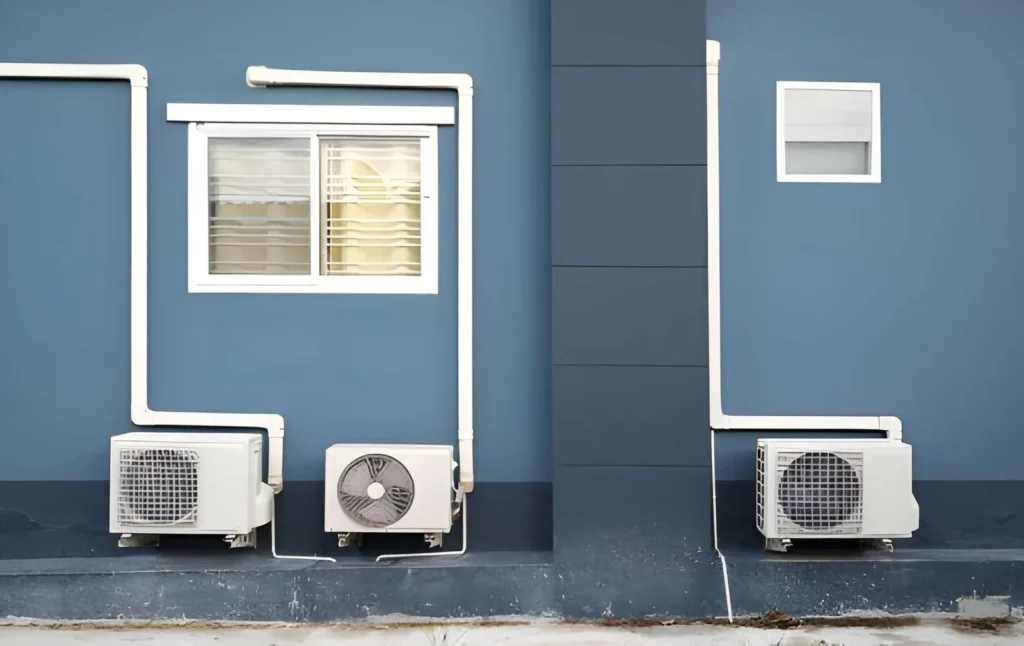
Cooling systems, such as central air conditioners and ductless mini-splits, also have varying lifespans depending on their design and usage patterns. Central air conditioning units typically last between 12 and 17 years, while ductless mini-split systems can often operate efficiently for up to 20 years with proper care. The climate in which the system operates plays a significant role in its longevity, as units in hotter regions may run more frequently and experience greater wear and tear. Regular maintenance, including cleaning or replacing filters, checking refrigerant levels, and inspecting electrical components, is crucial for maximizing the lifespan of any cooling system. Homeowners who schedule routine service appointments and address minor issues promptly are more likely to enjoy consistent cooling performance and avoid costly breakdowns. For those seeking reliable heating and AC services in Lynchburg, choosing a reputable provider can make a significant difference in the long-term performance and durability of their HVAC equipment.
Factors That Affect System Longevity
Several factors can influence how long a heating or cooling system will last. The quality of the initial installation is one of the most important considerations, as improperly installed equipment may suffer from reduced efficiency and increased wear. The frequency and quality of maintenance also play a critical role, with regular inspections and timely repairs helping to prevent minor issues from developing into major problems. The type of system and its usage patterns are equally important, as units that operate year-round or are subjected to extreme temperatures may experience more rapid deterioration. Environmental factors, such as exposure to dust, humidity, or corrosive elements, can also impact system longevity. Homeowners who take proactive steps to protect their HVAC equipment, such as installing surge protectors or using programmable thermostats, can often extend the life of their systems and reduce the likelihood of unexpected failures.
Signs Your System May Need Replacement
Recognizing the signs that your heating or cooling system is nearing the end of its useful life can help you avoid sudden breakdowns and costly emergency repairs. Common indicators include frequent repairs, rising energy bills, uneven heating or cooling, and unusual noises or odors coming from the unit. As systems age, they may become less efficient, requiring more energy to maintain the desired indoor temperature. This can lead to higher utility costs and reduced comfort levels. If your system is more than a decade old and experiencing persistent issues, it may be more cost-effective to invest in a new, energy-efficient model rather than continuing to pay for repairs. Upgrading to a modern system can also provide improved comfort, better indoor air quality, and lower operating costs over time.
Maintenance Tips for Longer System Life
Proper maintenance is essential for maximizing the lifespan of any heating or cooling system. Scheduling annual inspections with a qualified technician can help identify potential problems before they lead to major breakdowns. Regularly changing or cleaning air filters, keeping outdoor units free of debris, and ensuring that vents and registers are unobstructed can all contribute to better system performance and longevity. Homeowners should also pay attention to unusual sounds, odors, or changes in system performance, as these may indicate underlying issues that require professional attention. By staying proactive with maintenance and addressing minor concerns promptly, you can help ensure that your HVAC system continues to operate efficiently and reliably for many years.
When to Consider Upgrading Your System
Deciding when to replace your heating or cooling system can be challenging, especially if the unit is still functioning but showing signs of age. If your system is approaching or has exceeded its expected lifespan, and you are experiencing frequent repairs or declining performance, it may be time to consider an upgrade. Newer HVAC systems are designed to be more energy-efficient, offering improved comfort and lower operating costs compared to older models. Upgrading can also provide access to advanced features such as programmable thermostats, zoning capabilities, and enhanced air filtration, all of which can contribute to a healthier and more comfortable indoor environment. Consulting with a trusted HVAC contractor can help you evaluate your options and determine the most cost-effective solution for your needs.
The Importance of Professional Installation
A properly installed heating or cooling system is more likely to deliver reliable performance and reach its full expected lifespan. Professional installation ensures that the equipment is correctly sized for your home, properly connected to ductwork or refrigerant lines, and calibrated for optimal efficiency. Incorrect installation can lead to a range of problems, including reduced efficiency, increased wear and tear, and a higher risk of breakdowns. Choosing a reputable contractor with a track record of quality workmanship can help you avoid these issues and enjoy the full benefits of your new HVAC system. Investing in professional installation is a smart decision that can pay off in the form of lower energy bills, fewer repairs, and a longer-lasting system.
Regular Maintenance Makes a Difference
Routine maintenance is one of the most effective ways to extend the life of your heating and cooling systems. Simple tasks like changing filters, cleaning coils, and checking refrigerant levels can prevent many common problems and keep your equipment running smoothly. Scheduling regular service appointments with a qualified technician can help catch small issues before they become major repairs, saving you time and money in the long run. Consistent maintenance not only improves system performance but also contributes to better indoor air quality and overall comfort. Finding skilled professionals for routine care or emergency repairs helps keep essential home components operating smoothly. Homeowners looking to partner with experienced plumbing and heating specialists can Click here to find options that support system reliability and long-term efficiency across all seasons.
Conclusion
Understanding the typical lifespan of heating and cooling systems can help homeowners and business owners plan for maintenance, repairs, and eventual replacement. Factors such as system type, installation quality, maintenance habits, and local climate all play a role in determining how long your HVAC equipment will last. By staying proactive with regular maintenance, addressing issues promptly, and considering upgrades when necessary, you can maximize the performance and longevity of your heating and cooling systems. Investing in professional installation and routine service can provide peace of mind, ensuring that your indoor environment remains comfortable and energy-efficient for years to come.