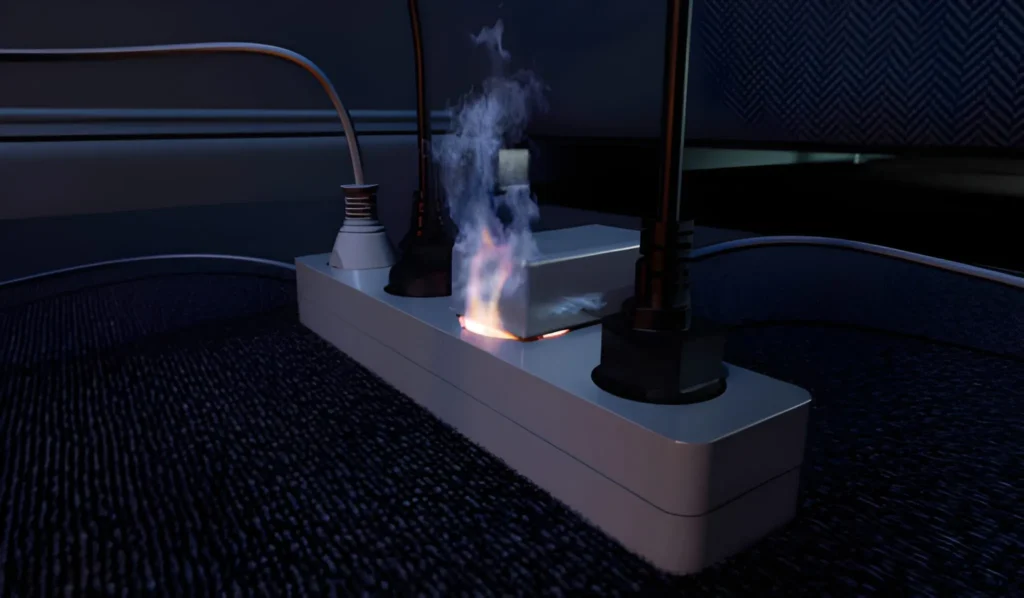
A burning smell coming from an electrical outlet is a warning sign that should never be ignored. This odor often indicates a serious problem within your home’s electrical system, such as overheating wires, faulty connections, or damaged components. Ignoring this issue can lead to dangerous consequences, including electrical fires or damage to your property. Understanding the causes behind a burning smell from an outlet, the risks involved, and the steps you should take can help you protect your home and ensure the safety of everyone inside. Addressing the problem promptly is crucial for peace of mind and security.
What to expect from this guide
Common Causes of a Burning Smell from Outlets
When you notice a burning smell coming from an outlet, it is often a sign that something is wrong with the electrical system behind your walls. One of the most frequent causes is an overloaded circuit, which happens when too many devices are plugged into a single outlet or circuit. This overload can cause the wires to heat up, melting the insulation and producing a distinct burning odor. Another common culprit is a loose or damaged wire connection. Over time, the screws that hold wires in place can loosen due to repeated use or vibrations, leading to arcing or sparking inside the outlet. This arcing generates heat, which can burn the plastic components and insulation, resulting in a noticeable smell. Additionally, old or worn-out outlets may have degraded internal parts that cannot handle the electrical load, causing them to overheat and emit a burning scent. In some cases, the issue may stem from faulty appliances that draw too much power or have internal electrical faults, sending excess current through the outlet and causing it to overheat. Identifying the root cause is essential for preventing further damage and ensuring the safety of your home.
Electrical Fire Risks and Safety Concerns
The presence of a burning smell from an outlet is not just an inconvenience; it is a serious safety concern that can escalate quickly if left unaddressed. Electrical fires are a leading cause of residential fires, and they often start with warning signs like unusual odors, discoloration around outlets, or sparking sounds. When wires or outlet components overheat, they can ignite nearby flammable materials such as drywall, insulation, or furniture. This risk is heightened in older homes where wiring may not meet current safety standards or where outlets have not been updated in decades. Even a small electrical fire can spread rapidly, causing extensive property damage and putting lives at risk. It is important to recognize that a burning smell is your first and sometimes only warning before a fire starts. Homeowners should never attempt to use an outlet that emits a burning odor, as continued use can worsen the problem and increase the likelihood of a fire. Instead, power should be shut off to the affected area, and a licensed electrician should be contacted immediately to assess and repair the issue. Taking these precautions can help prevent a minor electrical problem from turning into a devastating event.
When to Call a Professional
If you detect a burning smell from an outlet, it is crucial to act quickly and avoid using the outlet until it has been inspected. While some homeowners may feel comfortable handling minor electrical repairs, most situations involving burning odors require professional attention. Electricians have the tools and knowledge to safely diagnose the problem, whether it is a loose wire, overloaded circuit, or damaged outlet. They can also check for hidden issues within the walls that may not be immediately visible. Attempting to fix electrical problems without proper training can be dangerous and may void your home insurance policy. For those looking to address the issue, it is wise to explore available options for repair or replacement, ensuring that all work meets local electrical codes and safety standards. Professional intervention not only resolves the immediate problem but also helps prevent future incidents by identifying and correcting underlying issues in your electrical system.
Signs of Outlet Damage
Visible signs of damage around an outlet can provide important clues about the source of a burning smell. Discoloration, such as yellowing or browning around the outlet cover, often indicates that heat has built up over time. You may also notice that the outlet feels warm or hot to the touch, which is a clear sign of overheating. In some cases, the outlet may make crackling or buzzing noises when in use, suggesting that internal components are damaged or loose. If you see melted plastic, scorch marks, or any deformation of the outlet cover, it is essential to stop using the outlet immediately and seek professional help. These signs should never be ignored, as they often precede more serious electrical failures or fires. Regularly inspecting your outlets for these warning signs can help you catch problems early and maintain a safe living environment.
Preventing Future Electrical Issues
Preventing burning smells and other electrical problems starts with proper maintenance and awareness. Homeowners should avoid overloading outlets by plugging in too many high-wattage devices at once. Using surge protectors and power strips with built-in circuit breakers can help manage electrical loads safely. It is also important to replace old or damaged outlets promptly, as worn components are more likely to overheat. Scheduling regular electrical inspections, especially in older homes, can identify potential hazards before they become serious issues. Keeping an eye out for warning signs like flickering lights, frequent circuit breaker trips, or unusual odors can help you address problems early. Educating everyone in the household about electrical safety, including the dangers of using damaged outlets or cords, further reduces the risk of accidents. By taking these proactive steps, you can ensure that your home’s electrical system remains safe and reliable for years to come.
Quick Steps to Take if You Smell Burning
If you notice a burning smell from an outlet, the first step is to unplug any devices connected to it and turn off the power at the circuit breaker. Avoid touching the outlet directly, especially if it feels hot. Do not attempt to use the outlet again until it has been inspected and repaired by a qualified electrician. These immediate actions can help prevent further damage and reduce the risk of fire while you wait for professional assistance.
Conclusion
A burning smell from an outlet is a clear indication that something is wrong with your home’s electrical system. Ignoring this warning sign can lead to serious consequences, including electrical fires and property damage. Understanding the common causes, recognizing the risks, and knowing when to call a professional are all essential steps in maintaining a safe home environment. Regular maintenance, prompt repairs, and a proactive approach to electrical safety can help prevent future problems and give you peace of mind. Always prioritize safety and address any electrical concerns as soon as they arise to protect your home and loved ones.