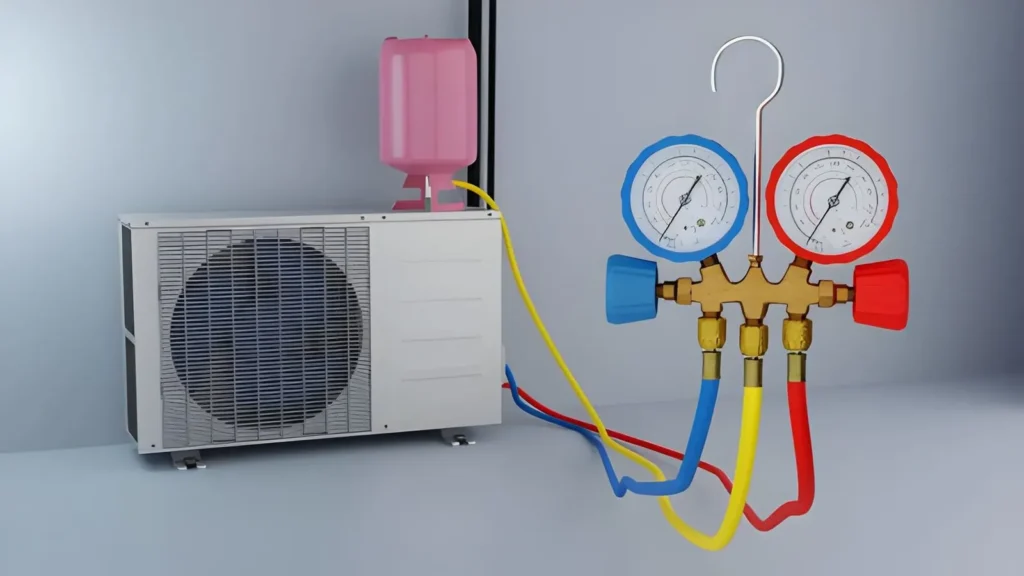
When summer temperatures soar, a properly functioning air conditioner becomes essential for comfort and health. However, even the most reliable systems can develop issues over time, and one of the most common problems is low refrigerant levels. Refrigerant is the lifeblood of your air conditioning system, responsible for absorbing heat from inside your home and releasing it outside. If your air conditioner is low on refrigerant, it can lead to a range of performance issues, higher energy bills, and even long-term damage to the unit. Recognizing the signs early can help you address the problem before it escalates.
Signs and Symptoms to Watch For
Understanding the Role of Refrigerant
Refrigerant is a chemical compound that cycles through your air conditioning system, absorbing and releasing heat to cool your indoor air. Without the correct amount of refrigerant, your air conditioner cannot effectively remove heat from your home, leading to a noticeable decline in cooling performance. The refrigerant circulates through a closed loop, so if levels are low, it usually means there is a leak somewhere in the system. This can be caused by aging components, corrosion, or accidental damage. When refrigerant escapes, the system has to work harder to achieve the same cooling effect, which can strain the compressor and other vital parts. Over time, this can result in more frequent breakdowns and a shorter lifespan for your air conditioner. Understanding how refrigerant works and why it is so important can help you spot problems early and avoid costly repairs.
Common Warning Signs of Low Refrigerant
One of the most obvious signs that your air conditioner is low on refrigerant is a noticeable decrease in cooling efficiency. You may find that your home never quite reaches the temperature set on your thermostat, or that the system runs for much longer than usual without achieving the desired comfort level. Another telltale sign is warm air blowing from the vents, even when the system is set to cool. In some cases, you might hear hissing or bubbling noises coming from the indoor or outdoor unit, which can indicate a refrigerant leak. Ice buildup on the evaporator coil or refrigerant lines is another red flag, as low refrigerant can cause the coil to become too cold and freeze condensation. If you notice any of these symptoms, it is important to address them promptly. Many homeowners in the area trust Aloha Air Conditioning for reliable service and accurate diagnosis of refrigerant issues, ensuring their systems run smoothly throughout the hottest months.
Impact on Energy Bills and System Longevity
When your air conditioner is low on refrigerant, it has to work much harder to cool your home. This increased workload not only reduces the system’s efficiency but also leads to higher energy consumption. As the unit struggles to maintain the set temperature, it runs for longer periods, causing your electricity bills to rise noticeably. Over time, the added strain can cause wear and tear on critical components, particularly the compressor, which is one of the most expensive parts to replace. If the compressor fails due to prolonged operation with insufficient refrigerant, you may be faced with a costly repair or even the need to replace the entire system. Regular maintenance and prompt attention to refrigerant issues can help you avoid these expenses and extend the life of your air conditioner. Monitoring your energy bills for unexpected increases can also serve as an early warning sign that something is amiss with your system.
Short Paragraph: When to Call for Professional Help
If you suspect your air conditioner is low on refrigerant, it is important to contact a qualified technician as soon as possible. Attempting to fix refrigerant issues yourself can be dangerous and may void your warranty. A professional can accurately diagnose the problem, locate any leaks, and recharge the system to the correct level. Timely intervention can prevent further damage and restore your air conditioner’s performance, keeping your home comfortable and your energy bills in check.
Preventing Future Refrigerant Problems
Preventing refrigerant issues starts with regular maintenance and timely inspections. Scheduling annual check-ups for your air conditioning system allows a technician to identify potential leaks or worn components before they become serious problems. During a maintenance visit, the technician will check refrigerant levels, inspect coils and lines for signs of wear, and ensure all connections are secure. Keeping the area around your outdoor unit clear of debris and vegetation can also help prevent accidental damage to refrigerant lines. Additionally, replacing air filters regularly ensures proper airflow, reducing the risk of ice buildup on the evaporator coil. By staying proactive with maintenance, you can minimize the risk of refrigerant leaks and keep your air conditioner running efficiently. Investing in routine care not only helps prevent unexpected breakdowns but also contributes to lower energy costs and a more comfortable home environment throughout the cooling season.
Conclusion
Recognizing the signs of low refrigerant in your air conditioner is crucial for maintaining a comfortable and energy-efficient home. From reduced cooling performance and higher energy bills to unusual noises and ice buildup, these symptoms should never be ignored. Prompt action can prevent further damage to your system and save you from costly repairs down the line. Regular maintenance and professional inspections are the most effective ways to ensure your air conditioner remains in top condition, providing reliable cooling when you need it most. By staying vigilant and addressing issues early, you can enjoy a cool, comfortable home all summer long.


