A furnace is an essential part of many homes, especially during colder months, providing warmth and comfort. However, when a furnace makes a loud boom upon starting, it can be alarming and may indicate underlying issues that require attention. This noise is not only disruptive but could also signal potential safety hazards or mechanical problems within the heating system. Understanding the causes behind this booming sound is crucial for homeowners to maintain a safe and efficient furnace. Addressing these issues promptly can help prevent further damage and ensure the longevity of your heating system.
What Causes Furnace Booming Sounds?
Delayed Ignition and Its Dangers
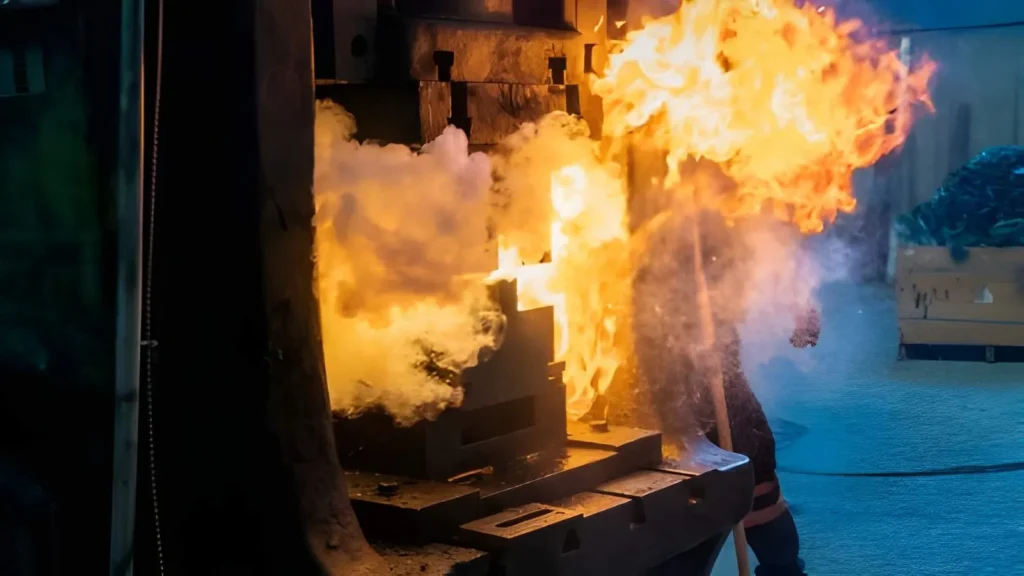
One of the most common reasons a furnace makes a loud boom when it starts is delayed ignition. This occurs when gas builds up in the combustion chamber because the burners do not ignite immediately after the thermostat signals the furnace to start. As the gas accumulates, it eventually ignites all at once, creating a small explosion that produces the booming sound. Delayed ignition can be caused by dirty burners, which prevent the gas from reaching the flame quickly, or by problems with the ignition system itself. Over time, this repeated mini-explosion can damage the heat exchanger and other components, leading to costly repairs or even the need for a full furnace replacement. Homeowners should not ignore these sounds, as they can indicate a potentially dangerous situation that could compromise the safety of the household.
The Role of Dirty Burners and Maintenance
Dirty burners are a frequent culprit behind furnace booming noises. When dust, debris, or soot accumulates on the burners, it restricts the flow of gas and air, making it harder for the burners to ignite promptly. This buildup can result from infrequent maintenance or operating the furnace in a dusty environment. Regular cleaning and inspection of the burners are essential to ensure proper ignition and prevent gas from pooling in the combustion chamber. In some cases, professional cleaning may be necessary to remove stubborn deposits and restore the burners to optimal condition. Homeowners should schedule annual furnace maintenance to keep the system running smoothly and to catch any issues before they escalate. If the booming noise persists even after cleaning, it may be a sign of a more serious problem that requires professional attention, such as a malfunctioning ignition system or a cracked heat exchanger. In rare cases, issues with the gas supply or pressure can also contribute to ignition delays, making it important to address any unusual furnace noises promptly. For those who experience both heating and plumbing issues, some companies offer combined services, including emergency plumbing, to address urgent household needs efficiently.
Gas Pressure Problems and System Age
Gas pressure plays a significant role in the safe and efficient operation of a furnace. If the gas pressure is too high or too low, it can affect how quickly the burners ignite and how evenly the gas is distributed within the combustion chamber. Low gas pressure may cause the burners to struggle to ignite, leading to delayed ignition and the characteristic booming sound. Conversely, high gas pressure can result in excessive gas buildup before ignition, also causing a loud boom. The age of the furnace can further complicate these issues, as older systems may have worn or outdated components that are more prone to malfunction. Over time, valves, regulators, and ignition systems can degrade, making it harder for the furnace to operate smoothly. Regular inspections by a qualified technician can help identify and correct gas pressure issues before they lead to more serious problems. Homeowners should be aware that gas-related issues can pose significant safety risks, including the potential for gas leaks or carbon monoxide exposure, so any persistent or unusual furnace noises should be investigated without delay.
When to Call a Professional
If your furnace continues to make loud booming noises despite regular maintenance, it is important to seek professional help. A qualified technician can perform a thorough inspection of the system, checking for issues such as dirty burners, faulty ignition components, or gas pressure irregularities. They can also assess the condition of the heat exchanger and other critical parts to ensure there are no cracks or signs of wear that could compromise safety. Attempting to diagnose or repair gas appliances without proper training can be dangerous, so it is always advisable to rely on a licensed professional for furnace repairs. In addition to addressing the immediate problem, a technician can provide recommendations for ongoing maintenance and system upgrades to improve efficiency and reliability. Prompt attention to furnace noises not only protects your home and family but can also extend the lifespan of your heating system and reduce the likelihood of unexpected breakdowns during the coldest months of the year.
Quick Tips for Preventing Furnace Booms
Regularly changing your furnace filter and scheduling annual inspections can help prevent the buildup of dust and debris that leads to ignition problems. Keeping the area around your furnace clean and free of clutter also reduces the risk of contaminants entering the system. If you notice any unusual smells, such as gas or burning odors, turn off the furnace and contact a professional immediately to ensure your safety.
Conclusion
A loud boom from your furnace when it starts is more than just a nuisance; it can be a warning sign of underlying issues that require immediate attention. Delayed ignition, dirty burners, gas pressure problems, and aging components are all potential causes of this alarming noise. Regular maintenance and prompt professional intervention are key to ensuring your furnace operates safely and efficiently throughout the heating season. By staying vigilant and addressing any unusual sounds as soon as they arise, homeowners can protect their investment, maintain a comfortable living environment, and avoid costly repairs or dangerous situations in the future.