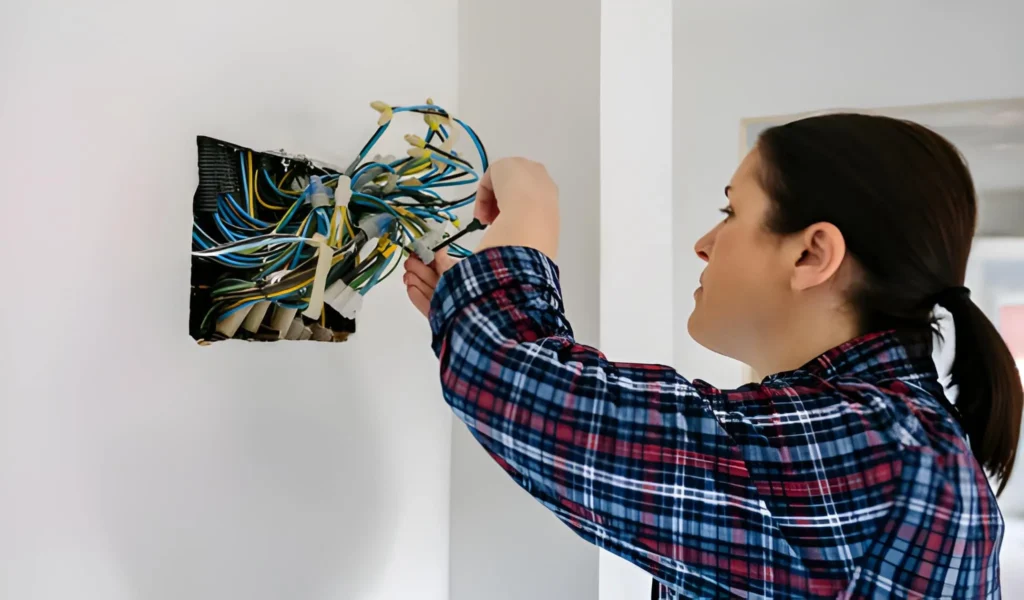
Modern homes are filled with more electrical devices and appliances than ever before, making the design and capacity of a home’s electrical system a crucial consideration for safety and convenience. From kitchen gadgets and entertainment systems to HVAC units and smart home technology, each device draws power from the home’s network of circuits. Understanding how many electrical circuits are necessary is essential for homeowners planning renovations, building new homes, or simply wanting to ensure their current setup is safe and efficient. This article provides a comprehensive look at how to determine the right number of circuits for a modern home.
What to Expect When Planning Circuits
Understanding Electrical Circuits in Homes
Electrical circuits are the backbone of any home’s power distribution system. Each circuit is designed to carry a specific amount of electrical load, and overloading a circuit can lead to tripped breakers, damaged appliances, or even fire hazards. In a typical modern home, circuits are divided by room or function, such as lighting, outlets, kitchen appliances, and HVAC systems. The National Electrical Code provides guidelines for the minimum number of circuits required, but these are often just a starting point. Homeowners must consider their unique needs, including the number and type of appliances, the size of the home, and future plans for expansion or upgrades. Properly planned circuits not only ensure safety but also provide flexibility for adding new devices without the risk of overloading the system.
Factors That Influence Circuit Requirements
Several factors determine how many electrical circuits a modern home truly needs. The size of the home is a primary consideration, as larger homes naturally require more circuits to distribute power evenly and safely. The number and type of appliances also play a significant role; for example, kitchens often need multiple dedicated circuits for refrigerators, microwaves, dishwashers, and countertop appliances. Additionally, homes with electric heating or air conditioning systems require separate circuits for these high-demand devices. Lifestyle choices, such as the use of home offices, entertainment centers, or electric vehicle chargers, further increase the need for additional circuits. For those considering upgrades or renovations, it’s wise to check out the services of a licensed electrician to assess current capacity and plan for future needs.
Common Circuit Layouts in Modern Homes
Most modern homes are designed with a combination of general-purpose and dedicated circuits. General-purpose circuits typically serve outlets and lighting in living rooms, bedrooms, and hallways, while dedicated circuits are reserved for appliances that draw significant power, such as ovens, washing machines, and HVAC units. The kitchen, for example, is one of the most circuit-intensive areas in a home, often requiring separate circuits for each major appliance as well as additional circuits for countertop outlets. Bathrooms also require dedicated circuits for outlets near sinks, in compliance with safety codes. Garages, workshops, and outdoor areas may need their own circuits to accommodate power tools, lawn equipment, or exterior lighting. As technology advances and more devices become part of daily life, the demand for additional circuits continues to grow, making it important for homeowners to periodically review and update their electrical systems.
The Importance of Future-Proofing
When planning the electrical circuits for a home, it’s important to think beyond current needs and consider future possibilities. Many homeowners are adding smart home devices, electric vehicle chargers, and renewable energy systems like solar panels, all of which require additional circuits or upgrades to the existing electrical panel. Anticipating these needs during the initial planning phase can save time and money down the road, as retrofitting circuits after construction is often more complicated and expensive. Future-proofing also means leaving room in the electrical panel for additional breakers, ensuring that the system can be expanded as technology and household needs evolve. Consulting with a qualified electrician can help homeowners make informed decisions about how many circuits to install and how to configure them for maximum flexibility and safety.
Safety Considerations for Circuit Design
Safety is a paramount concern when determining the number and layout of electrical circuits in a home. Overloaded circuits are a leading cause of electrical fires, making it essential to distribute the electrical load evenly and avoid plugging too many devices into a single outlet or circuit. Ground fault circuit interrupters (GFCIs) and arc fault circuit interrupters (AFCIs) are required in certain areas, such as kitchens, bathrooms, and bedrooms, to provide additional protection against electrical shocks and fires. Proper labeling of circuit breakers and outlets helps homeowners quickly identify and address issues when they arise. Regular inspections and maintenance of the electrical system can catch potential problems before they become serious hazards. By prioritizing safety in circuit design, homeowners can protect their families and property while enjoying the convenience of modern electrical systems.
How Many Circuits Do Most Homes Have?
The average modern home typically has between 20 and 40 circuits, depending on its size, age, and the number of electrical devices in use. Smaller homes may function well with fewer circuits, while larger homes or those with extensive appliances and technology may require more. Newer homes are often built with additional circuits to accommodate the growing demand for power, especially in kitchens, home offices, and entertainment areas. Homeowners should periodically review their electrical panel to ensure it meets current needs and allows for future expansion. If frequent breaker trips or dimming lights occur, it may be a sign that more circuits are needed or that the existing system requires an upgrade.
Conclusion
Determining the right number of electrical circuits for a modern home is a balance between current needs, safety requirements, and future plans. As homes become more technologically advanced and energy demands increase, having a well-designed electrical system with sufficient circuits is essential for both convenience and safety. Homeowners should consider the size of their home, the types of appliances and devices they use, and any anticipated upgrades when planning their electrical circuits. Regular assessments and updates to the electrical system can help prevent problems and ensure that the home remains safe and functional for years to come. Consulting with a licensed electrician is always a wise step to ensure that the electrical system is properly designed and maintained.


