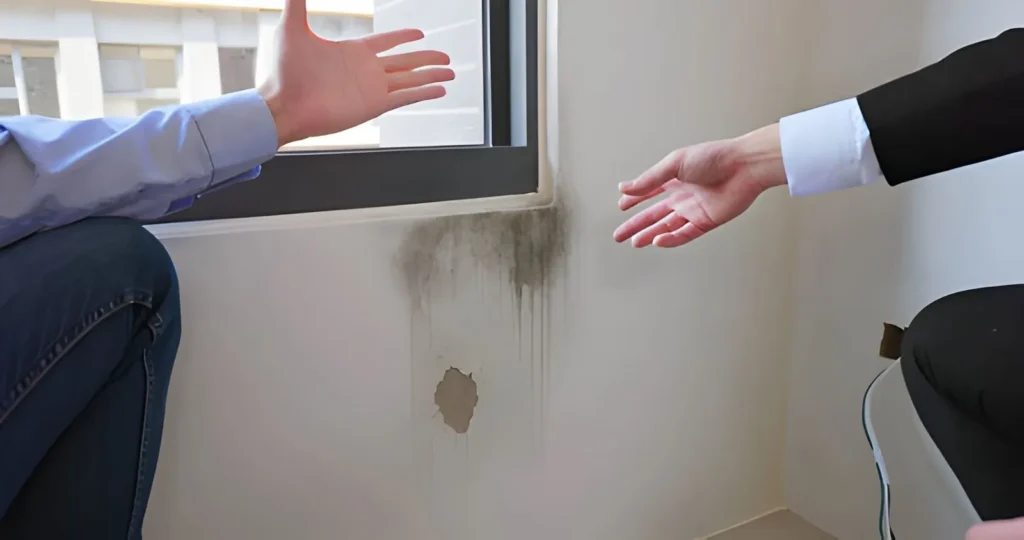
Basement moisture is a common concern for homeowners, often leading to worries about structural integrity, mold growth, and property value. Understanding the source of this moisture is crucial for effective remediation and prevention. Moisture in basements typically arises from two main sources: condensation and seepage. Each has distinct causes, signs, and solutions, but telling them apart can be challenging without the right knowledge. Identifying whether your basement’s dampness is due to condensation or seepage will help you choose the most appropriate course of action, ensuring a dry, healthy, and safe living environment for your family.
What to Expect in This Guide
Understanding Basement Condensation
Condensation occurs when warm, humid air comes into contact with cool basement surfaces, such as walls, floors, or pipes. This process causes water vapor in the air to turn into liquid droplets, which then accumulate on these surfaces. Basements are particularly susceptible to condensation because they are typically cooler than the rest of the house, especially during warmer months when humidity levels rise. Signs of condensation include water droplets on windows, pipes, or walls, and a general feeling of dampness in the air. You may also notice a musty odor, which is often a result of mold or mildew thriving in the moist environment created by condensation. Unlike seepage, condensation does not usually leave water stains or puddles on the floor, but it can still contribute to mold growth and damage to stored items. Addressing condensation often involves improving ventilation, using dehumidifiers, and insulating cold surfaces to prevent warm air from coming into contact with them. Recognizing these signs is the first step in determining whether condensation is the culprit behind your basement moisture issues.
Identifying Signs of Seepage
Seepage is a different phenomenon, resulting from water entering the basement through cracks, joints, or porous materials in the foundation. This typically happens after heavy rain, rapid snowmelt, or when the ground around your home becomes saturated with water. Unlike condensation, seepage often leaves visible water stains on walls or floors, and you may find puddles or damp spots that persist even after the weather has dried up. The presence of efflorescence, a white powdery substance left behind when water evaporates, is another indicator of seepage. Seepage can be more serious than condensation because it may signal underlying issues with your home’s foundation or drainage system. Over time, repeated seepage can weaken the structure, promote mold growth, and damage belongings stored in the basement. Homeowners should pay close attention to the timing and location of moisture. If you notice water appearing after rainfall or in specific areas near foundation walls, seepage is likely the cause. Addressing seepage often requires repairing cracks, improving exterior drainage, and sometimes installing sump pumps or waterproofing systems. For those seeking professional help, you can discover services from Guardian Foundation Repair to address persistent seepage and protect your home from further damage.
Key Differences Between Condensation and Seepage
Distinguishing between condensation and seepage is essential for choosing the right solution. Condensation is generally related to indoor humidity and temperature differences, while seepage is linked to external water sources and foundation integrity. One way to tell the difference is by observing when and where the moisture appears. Condensation tends to form on cooler surfaces during humid weather, often affecting pipes, windows, and walls above ground level. Seepage, on the other hand, is more likely to occur after rain or snowmelt and is usually found at the base of walls or on the floor. The texture and appearance of the moisture can also provide clues. Condensation appears as droplets or a thin film of water, while seepage may leave behind stains, efflorescence, or even standing water. Another distinguishing factor is the smell; seepage often brings a stronger, earthier odor due to prolonged dampness and potential mold growth. Understanding these differences will help you accurately diagnose the source of your basement moisture and take appropriate action to resolve it.
The Role of Home Maintenance
Regular home maintenance plays a significant role in preventing both condensation and seepage in basements. Ensuring that gutters and downspouts are clear and direct water away from the foundation can reduce the risk of seepage. Sealing cracks in walls and floors, as well as maintaining proper grading around your home, further protects against water intrusion. For condensation, maintaining consistent indoor humidity levels and using dehumidifiers can make a substantial difference. Insulating pipes and walls helps prevent warm, moist air from condensing on cold surfaces. By staying proactive with these maintenance tasks, homeowners can minimize the chances of moisture problems developing in their basements.
When to Seek Professional Help
Sometimes, despite your best efforts, basement moisture issues persist or worsen. If you notice recurring water stains, persistent dampness, or signs of mold growth, it may be time to consult a professional. Persistent seepage can indicate more serious foundation or drainage problems that require specialized assessment and repair. Professionals can conduct thorough inspections, identify the root cause of the moisture, and recommend tailored solutions to address the issue effectively. Timely intervention can prevent further damage to your home and protect your family’s health by reducing the risk of mold and mildew.
Quick Tips for a Dry Basement
Keeping your basement dry involves a combination of good ventilation, regular inspections, and prompt repairs. Use a dehumidifier to control humidity, especially during warmer months. Check for leaks or cracks in the foundation and address them as soon as possible. Make sure your landscaping slopes away from the house to direct water away from the foundation. These simple steps can go a long way in maintaining a dry and healthy basement environment.
Conclusion
Understanding whether your basement moisture is caused by condensation or seepage is crucial for effective remediation and long-term prevention. Each source of moisture has unique signs and requires different solutions, from improving ventilation and humidity control to repairing foundation cracks and enhancing exterior drainage. Regular maintenance and prompt attention to any signs of moisture can help protect your home’s structure and your family’s health. If you are unsure about the source of your basement moisture or if the problem persists despite your efforts, seeking professional assistance is a wise decision. Taking the right steps now will ensure your basement remains dry, safe, and comfortable for years to come.


