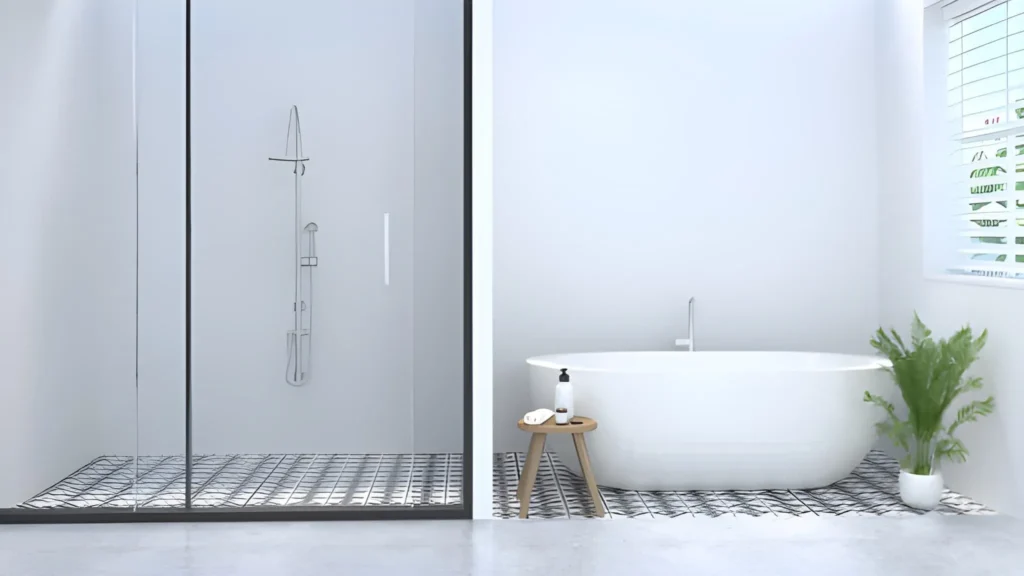
When planning a bathroom renovation, one of the most significant decisions homeowners face is whether to install a walk-in shower or a bathtub. This choice can impact not only the look and feel of your bathroom but also its functionality, accessibility, and even the value of your home. Both options offer unique benefits and potential drawbacks, making it essential to consider your lifestyle, preferences, and long-term needs. Understanding the differences between walk-in showers and bathtubs can help you make an informed decision that enhances your daily routine and complements your home’s design.
Comparing Showers and Bathtubs
The Appeal of Walk-In Showers
Walk-in showers have become increasingly popular in modern bathroom designs, offering a sleek and open look that can make even small spaces feel larger. Their minimalist style is often favored for its clean lines and contemporary appeal. One of the main advantages of a walk-in shower is accessibility. With a low or no threshold, these showers are easier to enter and exit, making them an excellent choice for individuals with mobility concerns or those planning to age in place. The open design also allows for creative tile work and custom features such as built-in benches or multiple showerheads, adding both style and comfort. Maintenance is another factor to consider, as walk-in showers typically have fewer crevices and surfaces where mold and mildew can accumulate, making cleaning more straightforward. For homeowners seeking a modern, functional, and low-maintenance bathing solution, walk-in showers offer a compelling option that can transform the overall feel of a bathroom.
The Timeless Comfort of Bathtubs
Bathtubs have long been a staple in residential bathrooms, valued for their versatility and comfort. A bathtub provides a relaxing space to soak, unwind, and relieve stress after a long day. For families with young children, a tub is often essential for bath time routines. Bathtubs also come in a variety of styles, from classic clawfoot designs to modern freestanding models, allowing homeowners to choose an option that fits their aesthetic preferences. When considering a bathroom remodel in Gainesville FL, many homeowners weigh the benefits of keeping or adding a bathtub, especially if they plan to sell their home in the future. Real estate trends often show that homes with at least one bathtub appeal to a broader range of buyers, particularly families. However, bathtubs can require more water and energy to fill, and cleaning can be more labor-intensive compared to showers. Despite these considerations, the comfort and versatility of a bathtub make it a desirable feature for many households.
Space and Layout Considerations
The available space in your bathroom plays a crucial role in determining whether a walk-in shower or a bathtub is the better choice. Walk-in showers are often favored in smaller bathrooms because they can be designed to fit into compact areas, maximizing floor space and creating a more open feel. Frameless glass enclosures or curbless entries further enhance the sense of spaciousness. On the other hand, bathtubs typically require more floor area, which can make a small bathroom feel cramped. However, in larger bathrooms, a bathtub can serve as a luxurious focal point, especially when paired with elegant fixtures and finishes. The layout of your plumbing and existing fixtures may also influence your decision, as relocating pipes or drains can add to the complexity and cost of your renovation. Ultimately, assessing your bathroom’s size and configuration will help you determine which option will provide the most comfort and functionality without compromising on style.
Maintenance and Cleaning
Maintenance is a key factor when choosing between a walk-in shower and a bathtub. Walk-in showers generally require less effort to keep clean, as their smooth surfaces and minimal hardware reduce the areas where soap scum and grime can accumulate. Glass panels can be easily wiped down, and many modern showers are designed with materials that resist staining and water spots. In contrast, bathtubs often have more nooks and crannies, especially around the edges and fixtures, where dirt and mildew can build up. Regular scrubbing is necessary to maintain a sparkling appearance, and certain materials may require special cleaning products to avoid damage. Additionally, the grout lines in tiled tub surrounds can be prone to discoloration if not properly sealed and maintained. For homeowners who prioritize ease of cleaning and low maintenance, a walk-in shower may be the more practical choice, while those who enjoy the ritual of a relaxing bath may find the extra effort worthwhile.
Accessibility and Safety
For individuals with mobility challenges or those planning for future accessibility needs, safety is a paramount concern in bathroom design. Walk-in showers offer significant advantages in this regard, as their low or zero-threshold entry eliminates the need to step over a high tub wall. This feature reduces the risk of slips and falls, making showers a safer option for seniors or anyone with limited mobility. Many walk-in showers can also be equipped with grab bars, non-slip flooring, and built-in seating to further enhance safety and comfort. Bathtubs, while offering a relaxing soak, can present challenges for those with mobility issues, as entering and exiting the tub requires stepping over a substantial barrier. Some homeowners opt for walk-in tubs with doors, but these can be more expensive and may not suit every bathroom layout. When safety and accessibility are top priorities, a walk-in shower often provides greater peace of mind and independence.
Cost and Value Considerations
The cost of installing a walk-in shower or a bathtub can vary widely depending on the materials, features, and complexity of the project. Walk-in showers may require custom glass enclosures, specialty tiles, or upgraded fixtures, which can increase the overall expense. However, they can also add significant value to your home, especially in markets where modern, accessible bathrooms are in demand. Bathtubs, particularly high-end or freestanding models, can also be a substantial investment, but they may appeal to buyers who value the option of a relaxing soak. When considering resale value, many real estate professionals recommend maintaining at least one bathtub in the home to attract a wider range of potential buyers. Ultimately, your budget and long-term plans for the property should guide your decision, balancing upfront costs with the potential return on investment and personal enjoyment.
Quick Comparison: Shower or Tub?
Choosing between a walk-in shower and a bathtub often comes down to personal preference, lifestyle, and the specific needs of your household. Walk-in showers offer modern style, easy maintenance, and accessibility, making them ideal for those seeking convenience and a contemporary look. Bathtubs provide comfort, relaxation, and family-friendly features, appealing to those who enjoy soaking or have young children. Both options can enhance your bathroom, but understanding your priorities will help you make the right choice.
Conclusion
Deciding between a walk-in shower and a bathtub is a significant aspect of any bathroom renovation, with each option offering distinct advantages and potential drawbacks. Walk-in showers provide a modern, accessible, and low-maintenance solution that can make a bathroom feel more spacious and contemporary. Bathtubs, on the other hand, offer timeless comfort and versatility, making them a favorite for families and those who enjoy a relaxing soak. Your decision should be guided by your lifestyle, the size and layout of your bathroom, and your long-term plans for the home. By carefully weighing the benefits of each option, you can create a bathroom that meets your needs and enhances your daily routine for years to come.


