A furnace that repeatedly trips the circuit breaker can be a source of frustration and concern for homeowners, especially during colder months when reliable heating is essential. This issue not only disrupts comfort but may also signal underlying electrical or mechanical problems that require attention. Understanding the reasons behind frequent breaker trips is crucial for maintaining a safe and efficient heating system. Addressing the root causes promptly can help prevent further damage, reduce the risk of electrical hazards, and ensure your furnace operates smoothly throughout the heating season. Knowing what to look for can save time, money, and stress.
Common causes and what to watch for
Electrical Overload and Furnace Circuitry
One of the most frequent reasons a furnace trips the circuit breaker is electrical overload. Furnaces require a significant amount of power to operate, especially during startup when the blower motor and igniter draw extra current. If the circuit the furnace is connected to is already supporting other appliances or devices, the combined electrical demand can exceed the breaker’s capacity. This overload causes the breaker to trip as a safety measure, preventing overheating and potential fire hazards. Additionally, older homes may have outdated wiring that cannot handle the modern energy requirements of newer furnace models. Over time, wiring can degrade, connections can loosen, and insulation can wear out, all of which increase the risk of electrical faults. Ensuring your furnace has a dedicated circuit and that your home’s electrical system is up to code is essential for safe operation. If you notice frequent breaker trips, it may be time to have an electrician inspect your wiring and panel to identify any deficiencies or necessary upgrades.
Short Circuits and Ground Faults
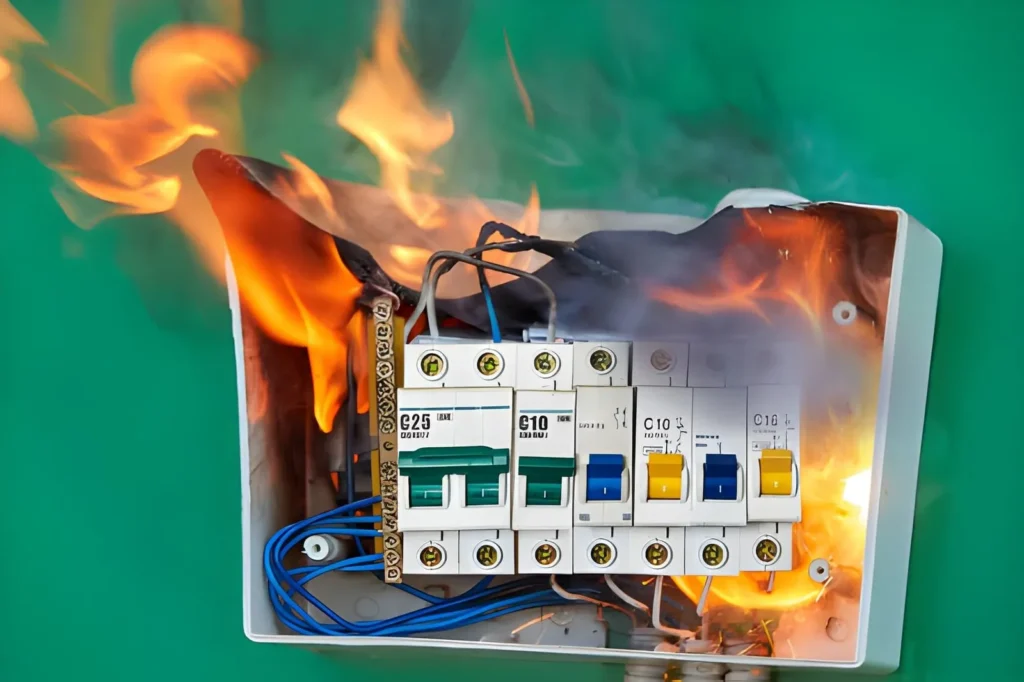
Short circuits and ground faults are serious electrical issues that can cause a furnace to trip the breaker repeatedly. A short circuit occurs when a hot wire comes into contact with a neutral or ground wire, creating a surge of electricity that the breaker immediately interrupts. Ground faults happen when electrical current escapes the intended circuit and travels to the ground, often due to damaged insulation or moisture intrusion. Both scenarios can be dangerous, posing risks of electrical shock or fire. Furnaces are particularly susceptible to these problems if there is water leakage nearby, rodents chewing on wires, or if the unit has experienced physical damage. If your furnace trips the breaker as soon as it turns on, or if you detect a burning smell or see scorch marks near the electrical panel, these are strong indicators of a short circuit or ground fault. For more information on how to address these issues, continue reading to learn about other potential causes and solutions.
Furnace Motor Problems
The blower motor is a critical component of your furnace, responsible for circulating warm air throughout your home. When the motor begins to fail, it can draw excessive current, leading to frequent breaker trips. Motor bearings can wear out over time, causing the motor to work harder and overheat. Dust, dirt, and debris can also accumulate inside the motor housing, restricting movement and increasing electrical resistance. In some cases, the motor windings may become damaged, resulting in internal shorts that further strain the electrical system. If you hear unusual noises coming from your furnace, such as grinding or squealing, or if the unit shuts off abruptly, the blower motor could be the culprit. Regular maintenance, including cleaning and lubrication, can help extend the life of the motor and prevent electrical issues. However, if the motor is already damaged, replacement may be necessary to restore safe and reliable furnace operation.
Dirty or Clogged Air Filters
A surprisingly common cause of furnace breaker trips is a dirty or clogged air filter. When the filter becomes obstructed with dust and debris, airflow through the furnace is restricted. This forces the blower motor to work harder to push air through the system, increasing its electrical draw and potentially causing the breaker to trip. Restricted airflow can also lead to overheating, as the furnace struggles to maintain the desired temperature. Over time, this added strain can damage internal components and reduce the overall efficiency of your heating system. Homeowners should check and replace air filters regularly, especially during periods of heavy furnace use. Keeping the filter clean not only helps prevent breaker trips but also improves indoor air quality and extends the lifespan of your furnace. If you continue to experience issues after changing the filter, further investigation may be needed to identify other underlying problems.
When to Call for Professional Help
If your furnace continues to trip the circuit breaker despite basic troubleshooting, it is important to seek professional assistance. Persistent electrical issues can indicate serious problems that require safe and thorough diagnosis. A qualified technician can inspect the furnace, wiring, and electrical panel to pinpoint the exact cause and recommend appropriate repairs. Attempting to fix complex electrical faults without proper training can be dangerous and may void your warranty. Timely intervention can prevent further damage and ensure your heating system operates safely and efficiently.
Preventive Maintenance Tips
Regular maintenance is key to preventing furnace-related electrical problems. Scheduling annual inspections allows a technician to check for worn components, loose connections, and signs of electrical wear. Cleaning the blower motor, replacing air filters, and ensuring the furnace is on a dedicated circuit can all help reduce the risk of breaker trips. Homeowners should also keep the area around the furnace clean and dry to prevent moisture-related electrical faults. By staying proactive with maintenance, you can enjoy reliable heating and avoid unexpected disruptions during the colder months.
Conclusion
A furnace that keeps tripping the circuit breaker is more than just an inconvenience; it can be a warning sign of underlying electrical or mechanical issues that need attention. Addressing these problems promptly helps maintain a safe and comfortable home environment while protecting your heating system from further damage. Whether the cause is electrical overload, short circuits, motor problems, or something as simple as a dirty air filter, understanding the potential reasons allows you to take appropriate action. Regular maintenance and timely repairs are essential for ensuring your furnace operates efficiently and safely throughout the heating season. If you encounter persistent issues, do not hesitate to consult a professional to safeguard your home and restore reliable heating.