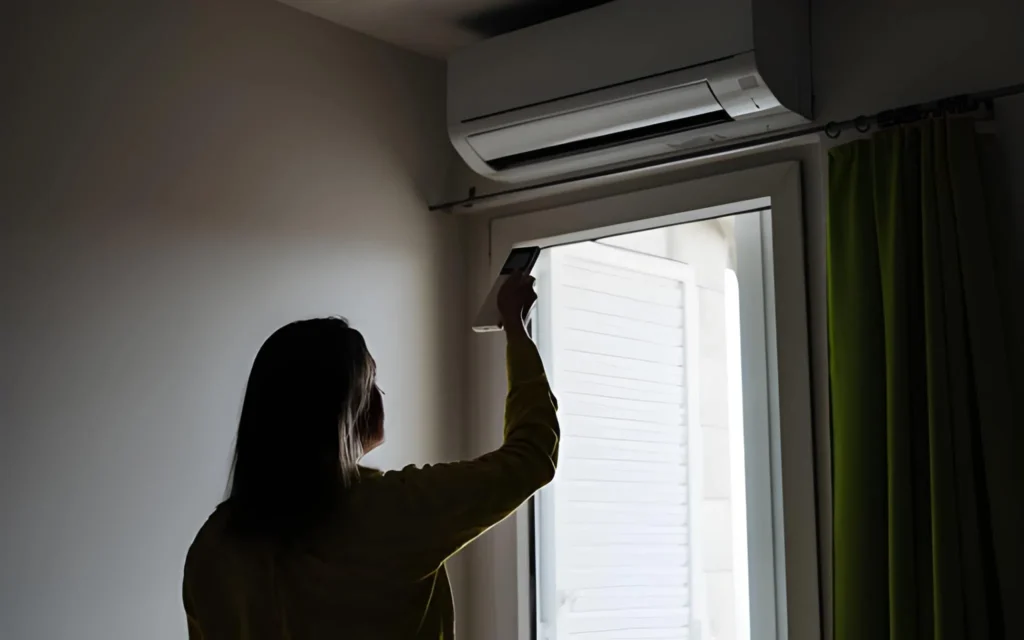
When a power outage strikes during the heat of summer, it can be frustrating to find that your air conditioner refuses to turn back on once electricity is restored. This situation is more common than you might think, and it can leave homeowners feeling uncomfortable and concerned about potential damage to their cooling system. Understanding why your air conditioner remains off after a power outage is crucial for restoring comfort to your home and preventing further issues. There are several reasons why this might happen, ranging from simple fixes to more complex electrical or mechanical problems that require attention.
What to Expect After a Power Outage
Common Reasons Your AC Won’t Restart
One of the most frequent causes for an air conditioner not turning back on after a power outage is a tripped circuit breaker. When the power returns, a sudden surge can overload the system, causing the breaker to trip as a safety measure. This is designed to protect your home and appliances from electrical damage. If your air conditioner is not responding, the first step is to check your electrical panel and see if the breaker for your HVAC system has been switched off. Resetting the breaker may resolve the issue, but if it trips again immediately, there could be a deeper electrical problem at play. Another possibility is that the thermostat lost its settings during the outage. Some thermostats revert to default settings or even turn off completely when power is lost, so it’s important to check that your thermostat is set to cool and the temperature is set lower than the current room temperature. If the display is blank, the thermostat may need new batteries or a reset.
Electrical Issues and Safety Concerns
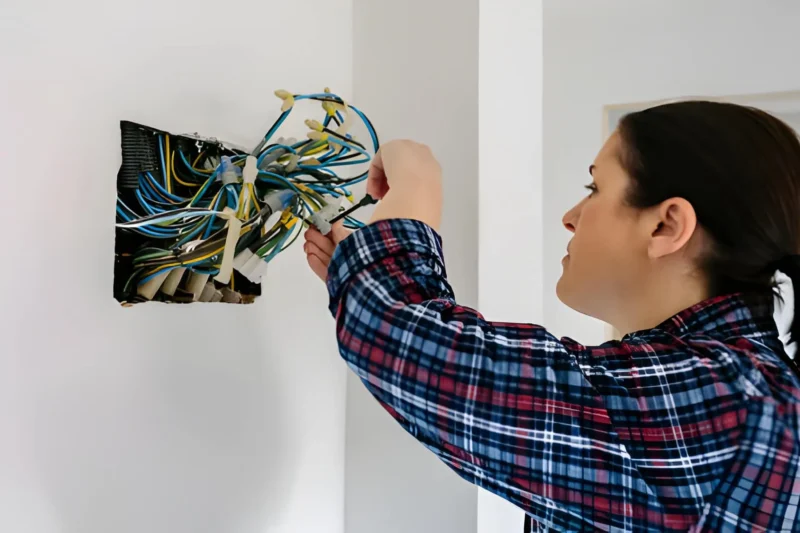
Electrical issues are a significant factor when it comes to air conditioners failing to restart after a power outage. Power surges can damage sensitive components within the AC unit, such as the capacitor or control board. The capacitor is responsible for providing the initial jolt of electricity needed to start the compressor and fan motors. If it becomes damaged, the air conditioner may not start at all, or it may attempt to start and then shut down quickly. In some cases, the control board, which acts as the brain of the system, can be affected by a surge, leading to erratic behavior or complete failure to operate. Homeowners should exercise caution when dealing with electrical components, as improper handling can result in injury or further damage to the system. If you suspect an electrical issue beyond a simple breaker reset, it is wise to contact a professional for assistance. For those living in the area, ac repair Sanford services can provide the necessary diagnostics and repairs to restore your cooling system safely and efficiently.
The Role of the Thermostat
The thermostat plays a crucial role in the operation of your air conditioner, acting as the command center that tells the system when to turn on and off. After a power outage, it is not uncommon for the thermostat to lose its programming or become unresponsive. This can happen if the thermostat relies on battery power and the batteries are depleted, or if it is a programmable model that resets to factory settings when power is lost. In such cases, the air conditioner may not receive the signal to start, even if the rest of the system is functioning properly. To address this, check the thermostat display for any error messages or blank screens. Replace the batteries if necessary and reprogram the settings to ensure the system is set to cool. If the thermostat still does not respond, it may need to be reset according to the manufacturer’s instructions. Persistent issues with the thermostat could indicate a wiring problem or a malfunctioning unit, both of which require professional attention to resolve.
Short Paragraph: Resetting Your AC System
Resetting your air conditioner after a power outage is often a straightforward process. Start by turning off the thermostat and switching off the breaker that controls the AC unit. Wait for about five minutes to allow the system to fully power down. Then, turn the breaker back on and set the thermostat to cool. This simple reset can clear minor faults and restore normal operation. If the system still does not respond, further troubleshooting may be necessary.
Mechanical Problems That May Arise
Mechanical issues can also prevent your air conditioner from turning back on after a power outage. The compressor, which is responsible for circulating refrigerant through the system, can sometimes become locked up due to a sudden loss and return of power. This is known as compressor lockout, and it can prevent the unit from starting even if all electrical components are functioning correctly. Additionally, the fan motor or other moving parts may have sustained damage during the outage, especially if the system was running when the power was lost. Unusual noises, vibrations, or a complete lack of response from the outdoor unit are signs that a mechanical problem may be present. In these cases, it is important to avoid repeatedly attempting to start the system, as this can cause further damage. Instead, seek professional assistance to diagnose and repair the issue before using the air conditioner again.
Preventing Future AC Issues After Outages
Taking steps to protect your air conditioner from power-related issues can help prevent future problems. Installing a surge protector specifically designed for HVAC systems can shield sensitive components from voltage spikes during outages and restorations. Regular maintenance, such as cleaning or replacing air filters, checking refrigerant levels, and inspecting electrical connections, can also improve the resilience of your system. Ensuring that your thermostat is equipped with fresh batteries and is properly programmed can minimize disruptions after a power loss. Additionally, being proactive about scheduling annual inspections with a qualified technician can help identify potential vulnerabilities before they lead to a breakdown. By investing in these preventive measures, you can reduce the likelihood of your air conditioner failing to restart after a power outage and maintain a comfortable indoor environment throughout the year.
Conclusion
Experiencing an air conditioner that won’t turn back on after a power outage can be both inconvenient and concerning, especially during periods of extreme heat. Understanding the potential causes, from tripped breakers and thermostat issues to electrical or mechanical failures, is essential for restoring your system to normal operation. While some problems can be resolved with simple troubleshooting steps, others may require professional attention to ensure safety and prevent further damage. Taking preventive measures, such as installing surge protection and scheduling regular maintenance, can help safeguard your air conditioner against future outages. By staying informed and proactive, you can keep your home cool and comfortable, even when unexpected power interruptions occur.