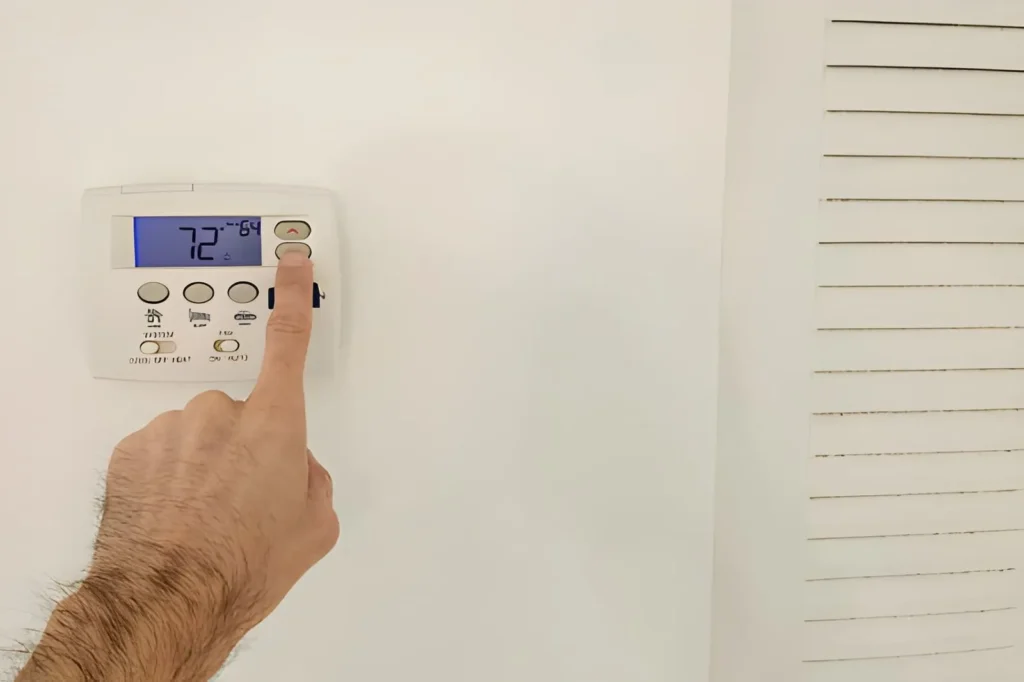
A thermostat is a crucial component in maintaining a comfortable indoor environment, but when its batteries keep dying quickly, it can become a source of frustration. Many homeowners find themselves replacing thermostat batteries far more often than expected, leading to questions about what might be causing this issue. Understanding the reasons behind rapid battery drain can help you address the problem effectively and ensure your heating and cooling system operates smoothly. From electrical issues to environmental factors, several elements can contribute to this common problem. Identifying the root cause is the first step toward a lasting solution.
Common causes of rapid battery drain
Incorrect Thermostat Settings and Usage
One of the most overlooked reasons for frequent battery replacement is the way the thermostat is set up and used. Many modern thermostats come with advanced features such as Wi-Fi connectivity, touchscreens, and backlighting, all of which can significantly increase power consumption. If your thermostat is set to keep its display lit at all times or is constantly searching for a Wi-Fi signal, the batteries will drain much faster than in a basic, non-programmable model. Additionally, frequent manual adjustments or programming changes can cause the device to use more energy. Homeowners who are unaware of these settings may inadvertently contribute to the problem by enabling features that are not necessary for their daily needs. Reviewing your thermostat’s settings and disabling unnecessary features can help extend battery life and reduce the frequency of replacements.
Electrical Issues and Wiring Problems
Another significant factor that can cause thermostat batteries to die quickly is related to electrical issues or wiring problems within the system. If the thermostat is not receiving a steady supply of power from the HVAC system, it will rely more heavily on its batteries, causing them to deplete at a faster rate. In some cases, a missing or malfunctioning common wire (often referred to as the “C-wire”) can prevent the thermostat from drawing power directly from the HVAC system, making it dependent on battery power alone. This is a common scenario in older homes or with older HVAC systems that were not originally designed to accommodate modern thermostats. Consulting with a reputable company like Kelleher HVAC can help identify and resolve wiring issues, ensuring your thermostat receives the power it needs and reducing the strain on its batteries.
Environmental Factors Affecting Battery Life
The environment in which your thermostat is installed can also play a significant role in how quickly its batteries drain. Thermostats placed in areas with extreme temperatures, such as near windows, doors, or direct sunlight, may experience more rapid battery depletion. High or low temperatures can affect battery chemistry, causing them to lose charge more quickly than they would in a stable, moderate environment. Additionally, exposure to humidity or dust can interfere with the thermostat’s internal components, leading to increased power consumption as the device works harder to maintain accurate readings. Ensuring your thermostat is installed in a location that is free from temperature extremes and environmental contaminants can help prolong battery life and improve overall performance.
Battery Quality and Compatibility
The type and quality of batteries used in your thermostat can have a direct impact on how long they last. Not all batteries are created equal, and using low-quality or incompatible batteries can result in frequent replacements. Some thermostats require specific battery types, such as alkaline or lithium, and using the wrong type can lead to poor performance and rapid drain. It is important to check the manufacturer’s recommendations and use high-quality batteries that are designed for long-lasting performance. Additionally, expired or improperly stored batteries may not hold a charge as well, further contributing to the problem. Investing in reliable batteries and replacing them at regular intervals can help ensure your thermostat operates efficiently and reduces the need for constant maintenance.
When to Seek Professional Help
If you have tried adjusting settings, checked for wiring issues, and used high-quality batteries but still find that your thermostat batteries are dying quickly, it may be time to seek professional assistance. Persistent battery drain can sometimes indicate a deeper issue within the HVAC system or the thermostat itself. A professional technician can perform a thorough inspection, identify any underlying problems, and recommend appropriate solutions. Addressing these issues promptly can prevent further inconvenience and ensure your heating and cooling system continues to function reliably.
Quick Tips for Extending Battery Life
Simple changes can make a noticeable difference in how long your thermostat batteries last. Keeping the thermostat away from direct sunlight, using recommended battery types, and minimizing unnecessary features can all help extend battery life. Regular maintenance and periodic checks can also prevent unexpected battery failures and keep your system running smoothly.
Conclusion
Dealing with thermostat batteries that die quickly can be a frustrating experience, but understanding the potential causes can help you find a lasting solution. Factors such as incorrect settings, electrical issues, environmental conditions, and battery quality all play a role in battery performance. By addressing these areas and seeking professional help when necessary, you can reduce the frequency of battery replacements and ensure your thermostat continues to operate efficiently. Taking proactive steps to maintain your thermostat and HVAC system will not only save you time and money but also contribute to a more comfortable and reliable home environment.