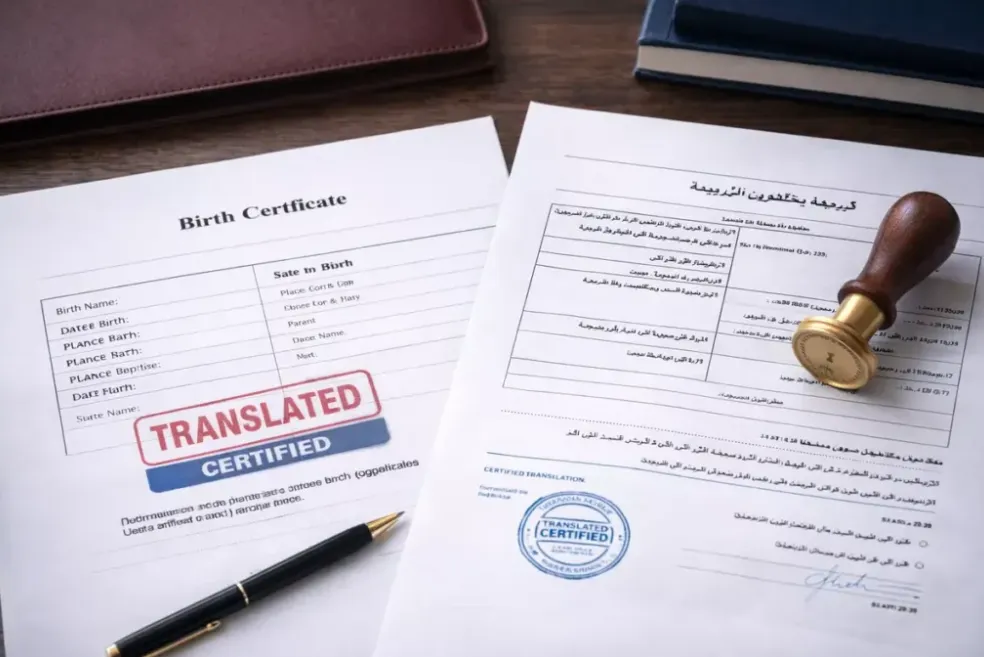
Immigration paperwork does not forgive mistakes. Every document matters, and birth certificates sit at the top of the list. Getting the right birth certificate translation for immigration purposes is not optional. It is required. Whether you are applying for a partner visa, a skilled migrant visa, or citizenship, your birth certificate must be translated correctly and certified properly. The Department of Home Affairs processes over 2 million visa applications each year. A large share get delayed because of translation errors. Here is what to know before you submit.
Why Are Immigration Authorities So Strict About Translations?
Immigration is a legal process. Every document you submit becomes part of a formal record. If your birth certificate lists one name and your passport shows another spelling, officers flag it immediately. Even small differences like a missing middle name or different date format cause holds.
Officers are also trained to spot inconsistencies between translated documents and their originals. Inaccurate translations do not just delay applications. In some cases, they trigger fraud investigations.
What Specific Details Get Scrutinized Most?
Name spelling is the biggest issue. Then comes date of birth formatting. Many countries write dates as day-month-year. Others use year-month-day. A translator must convert the format correctly and note which format the original used.
Place of birth is another common problem. City names change over time. If you were born in a city that has since been renamed or no longer exists, the translation needs an explanatory note. Experienced translators who work with immigration cases know to add this without being asked.
Does Every Country Have the Same Translation Requirements?
No. Australia requires NAATI-accredited translators. The US requires translations to be complete and accurate and signed by a competent translator, but there is no single mandated national body. Canada requires translators to be members of professional associations like the CTTIC. The UK Home Office prefers qualified translators but does not mandate one specific organization.
Know the requirements of the country you are applying to before you order a translation. Doing it wrong for one country’s system wastes time and money if you ever need to resubmit for another.
What If the Birth Certificate Is Damaged or Incomplete?
Get a replacement from the issuing country’s vital records office first. Do not send a faded, torn, or partially legible document to a translator. Most certified translators will refuse to translate documents where key information cannot be read clearly.
Some countries use apostilles, which are international certifications of document authenticity. If your country requires an apostille before the birth certificate can be translated, factor that into your timeline. Apostilles can take 2 to 8 weeks depending on the country.
How Do You Avoid Last-Minute Problems?
Start early. That is the only real answer. Immigration timelines are tight, and document issues are the most common source of delays. Aim to have your birth certificate translated at least 4 to 6 weeks before your application submission date.
Submit the original and the certified translation together in the same package. Agencies need to review both documents side by side. Sending them separately or at different times creates confusion and slows processing.


