Air conditioning systems are essential for maintaining comfort in homes and businesses, especially during hot weather. One of the most common and frustrating issues that can arise with an AC unit is a leaking evaporator coil. This problem can lead to reduced cooling efficiency, higher energy bills, and even water damage if not addressed promptly. Understanding the causes behind evaporator coil leaks is crucial for homeowners and property managers who want to keep their systems running smoothly and avoid costly repairs. By learning about the factors that contribute to coil leaks, you can take steps to prevent them and ensure your AC system operates efficiently for years to come.
Common causes of evaporator coil leaks
Corrosion and chemical reactions
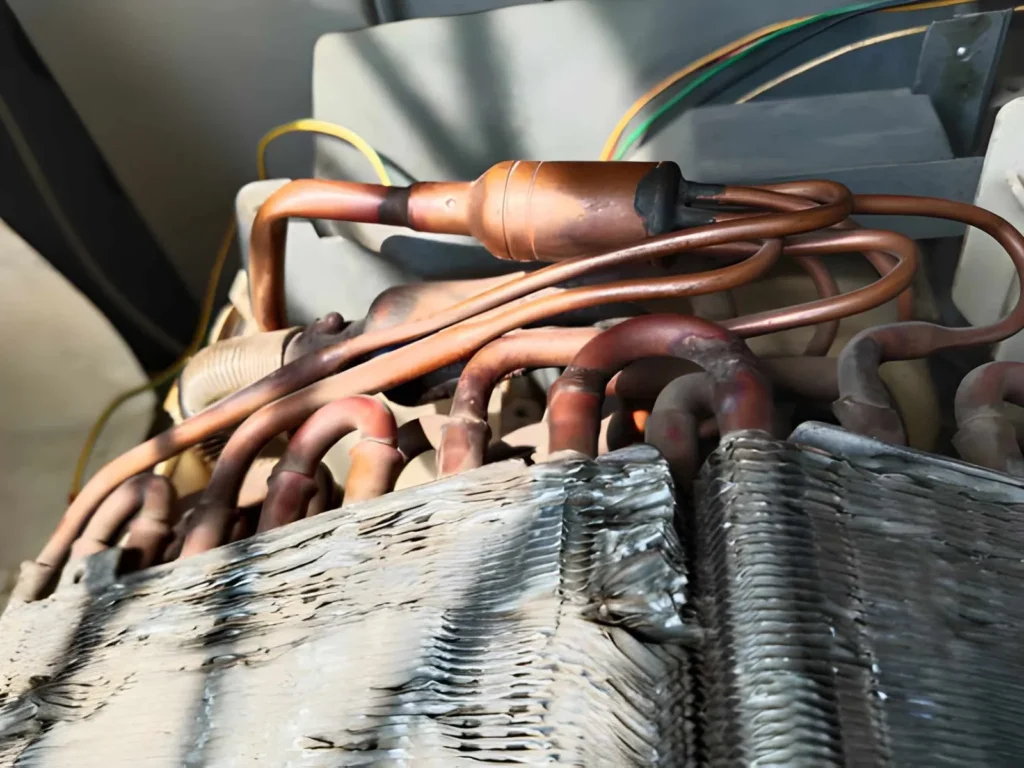
Corrosion is one of the leading causes of evaporator coil leaks in air conditioning systems. The evaporator coil is typically made from copper, which is chosen for its excellent heat transfer properties. However, copper is also susceptible to corrosion, especially when exposed to certain chemicals and environmental conditions. Over time, volatile organic compounds (VOCs) from household products, cleaning agents, or even building materials can react with the copper surface. This reaction produces formic acid, which gradually eats away at the metal, creating tiny holes known as formicary corrosion. These pinhole leaks may start small but can quickly worsen, allowing refrigerant to escape and reducing the system’s cooling capacity. Regular maintenance and using air filters that capture VOCs can help slow down this process, but once corrosion has started, the coil may eventually need to be replaced.
Impact of moisture and condensation
Moisture plays a significant role in the development of evaporator coil leaks. The evaporator coil’s job is to absorb heat from the air, which causes condensation to form on its surface. In a properly functioning system, this moisture is drained away efficiently. However, if the drainage system becomes clogged or if there is excessive humidity in the environment, water can accumulate around the coil. This persistent moisture creates an ideal environment for corrosion to accelerate, especially when combined with airborne contaminants. Over time, the constant presence of water can weaken the coil’s structure, making it more susceptible to leaks. Homeowners should ensure that their AC’s drainage system is clear and that humidity levels are kept in check to minimize the risk of moisture-related coil damage. For those seeking reliable maintenance, Denillo Heating & Cooling, Inc. is known for thorough inspections and preventive care that can help identify and address these issues early.
Effects of improper installation
Improper installation of an air conditioning system can significantly increase the likelihood of evaporator coil leaks. When a system is not installed according to manufacturer specifications, several problems can arise that put extra stress on the coil. For example, if the refrigerant lines are not properly insulated or if the coil is not securely mounted, vibrations and temperature fluctuations can cause the metal to fatigue over time. Additionally, incorrect refrigerant charge during installation can lead to abnormal pressure levels within the system, which may cause the coil to expand and contract excessively. This repeated stress can eventually result in cracks or pinhole leaks. It is important for property owners to choose qualified technicians who follow industry standards during installation to ensure the longevity and reliability of their AC system. Proper installation not only helps prevent leaks but also ensures optimal performance and energy efficiency.
The role of refrigerant and pressure
The type and amount of refrigerant used in an air conditioning system can have a direct impact on the health of the evaporator coil. When the system is overcharged or undercharged with refrigerant, it can create abnormal pressure conditions inside the coil. High pressure can cause the coil to expand beyond its design limits, while low pressure can lead to freezing and thawing cycles that weaken the metal. Both scenarios increase the risk of developing leaks over time. Additionally, using the wrong type of refrigerant or mixing different refrigerants can cause chemical reactions that accelerate corrosion. Regular maintenance checks are essential to ensure that the refrigerant levels are correct and that the system is operating within safe pressure ranges. Technicians should always use the manufacturer-recommended refrigerant and follow proper procedures when servicing the system to avoid unnecessary stress on the evaporator coil.
Signs of a leaking evaporator coil
Detecting a leaking evaporator coil early can save homeowners from more extensive damage and costly repairs. Some common signs include reduced cooling performance, hissing or bubbling noises coming from the indoor unit, and the presence of ice on the coil or refrigerant lines. In some cases, you may notice an unexplained increase in your energy bills or a musty odor near the air handler. If you observe any of these symptoms, it is important to have your system inspected by a qualified technician as soon as possible. Early detection allows for prompt repairs, which can prevent further damage to the system and help maintain indoor comfort. Addressing these warning signs quickly helps restore system efficiency before more severe component failures happen. Property owners seeking professional guidance can review services at https://www.fulbro.com/services/hvac-repair to evaluate system performance and address underlying mechanical issues. Timely interventions help maintain proper airflow and prevent minor leaks from worsening over time.
Preventive maintenance tips
Regular maintenance is key to preventing evaporator coil leaks and ensuring the longevity of your air conditioning system. Homeowners should schedule annual inspections with a qualified technician who can check for signs of corrosion, ensure proper refrigerant levels, and clean the coil and drainage system. Keeping the area around the indoor unit clean and free of dust and debris can also help reduce the risk of contamination and moisture buildup. Using high-quality air filters and replacing them regularly will minimize the amount of airborne pollutants that reach the coil. Additionally, maintaining proper humidity levels in your home can help prevent excessive condensation on the coil. By following these preventive measures, you can significantly reduce the likelihood of evaporator coil leaks and enjoy reliable cooling throughout the year.
When to consider coil replacement
In some cases, repairing a leaking evaporator coil may not be the most cost-effective solution. If the coil has multiple leaks, extensive corrosion, or is more than ten years old, replacement may be the better option. Newer coils are often made with improved materials and coatings that resist corrosion more effectively. Replacing the coil can restore your system’s efficiency and help prevent future leaks. It is important to consult with a qualified technician who can assess the condition of your coil and recommend the best course of action based on your specific situation. Investing in a new coil can provide peace of mind and ensure that your air conditioning system continues to operate reliably for years to come.
Conclusion
Understanding the causes of AC evaporator coil leaks is essential for maintaining a comfortable and efficient indoor environment. Factors such as corrosion, moisture, improper installation, and refrigerant issues all contribute to the development of leaks over time. By recognizing the signs of a leaking coil and taking proactive steps to prevent damage, homeowners can avoid costly repairs and extend the life of their air conditioning systems. Regular maintenance, prompt repairs, and professional installation are all important components of a reliable cooling system. Staying informed about the risks and solutions associated with evaporator coil leaks will help you keep your AC running smoothly and your home comfortable throughout the hottest months of the year.