Finding the Sweet Spot Between Looks and Real Life
Renovating a home can feel a bit like trying to choose the perfect outfit for an event you do not quite understand. You want something that looks sharp, feels right, and still works when the weather turns ugly. In Australia, that balance matters even more. Our homes cop plenty of heat, sandy feet, muddy shoes, salty air in coastal spots, and the occasional family chaos that seems to arrive with zero warning.
That is where the real challenge sits. A renovation that looks brilliant on a mood board may fall flat once the dog runs through the hallway after a beach walk or the kids turn the kitchen into a makeshift science lab. Style matters, of course. Nobody wants a home that feels dull or overly sensible. Still, practicality keeps the whole thing from becoming an expensive regret.
The trick is not choosing one over the other. It is about letting them work together without forcing the issue.
Start With How the Space Will Actually Be Used
Before you get swept up in colours, finishes, and glossy showroom displays, pause for a minute and think about what the room has to handle every day. A family bathroom in a Sydney terrace has different demands from a guest ensuite in a Perth apartment. A kitchen in regional Victoria, where boots and school bags seem to breed by the door, needs different treatment again.
Ask a few blunt questions:
- Who uses the space most often?
- How much traffic does it get?
- Will it cop moisture, dirt, or heavy wear?
- How much cleaning are you actually willing to do?
That final question is the one people tend to skip, then regret later. A matte black feature wall might look moody and elegant on Instagram, but if it shows every water mark and fingerprint, the romance fades pretty quickly.
Practicality is not about being plain. It is about being honest.
Choose Materials That Can Handle Australian Living
Australia is not gentle on homes. Sun bleaches some surfaces, humidity warps others, and outdoor living means indoor floors often cop more action than they should. So, when picking materials, think beyond the showroom shine.
For flooring, sealed timber, engineered boards, porcelain, and quality stone alternatives are popular for good reason. They can handle real use without giving up too early. In wet areas, slip resistance should be a priority, especially where kids, older relatives, or clumsy adults are involved. We all know at least one person who walks into a bathroom like they are late for a train.
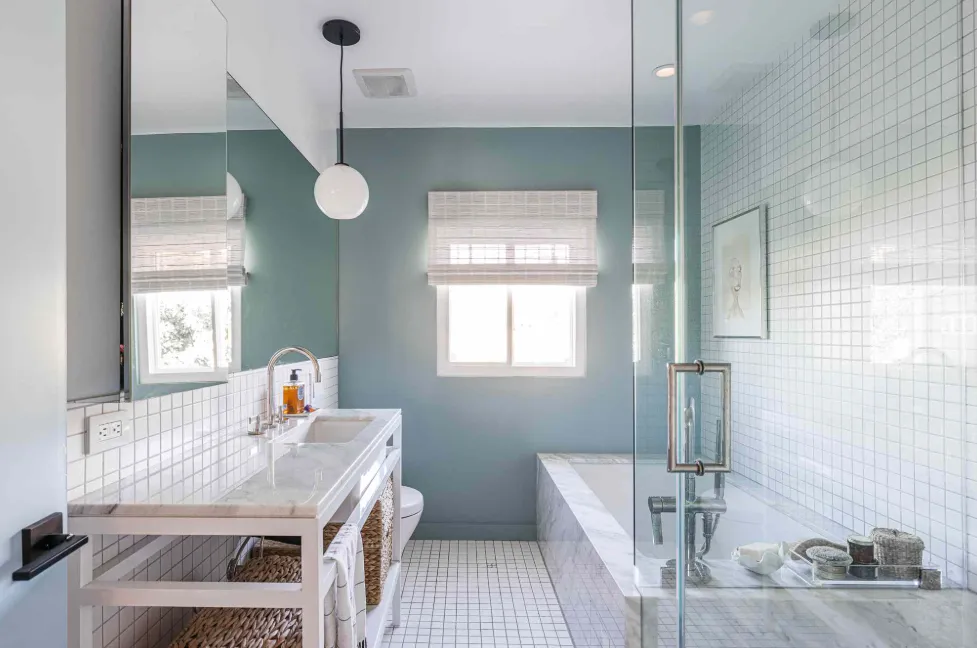
When it comes to walls and splash zones, easy-clean finishes can save a lot of grief. Kitchens, laundries, and bathrooms need surfaces that wipe down neatly and stay presentable. That is where bathroom tiles often earn their keep, especially when chosen with both texture and style in mind. They can lift the whole feel of a room while still standing up to steam, spills, and daily scrubbing.
What Works Well in High-Use Spaces
Some materials earn their popularity because they simply behave themselves:
- Porcelain tiles for wet areas and floors
- Quartz or engineered stone for benchtops
- Washable paint finishes for busy walls
- Hard-wearing cabinetry with quality hinges and joins
None of that sounds thrilling on its own, but when these pieces are combined well, the room feels polished without becoming fussy.
Style Lives in the Details
A lot of people think style comes from dramatic choices alone. In reality, the quieter details often do the heavy lifting. A simple room can feel expensive if the proportions are right and the finishes are thoughtful. On the other hand, a space packed with bold features can still feel awkward if the details are all fighting each other like cousins at a barbecue.
This is where colour, texture, and shape come in. Soft neutrals create calm. Warm timber tones bring a bit of comfort. Brushed brass can add warmth without screaming for attention. Even grout colour can change the whole mood of a room, which feels unfair, but there it is.
Try to keep the look consistent across connected spaces. If the kitchen, laundry, and bathroom all sit within the same visual family, the home feels more settled. That does not mean every room has to match like a uniform. It just means the choices should feel like they belong to the same house.
Storage Is Stylish When It Stops the Clutter
A lot of home frustration comes from things having nowhere to live. Benchtops end up full of mail, bathroom counters gather random lotions and chargers, and the hallway becomes a dumping ground for shoes and bags. The room may be beautifully finished, but clutter drags the whole place down.
Built-in storage is one of those renovation choices that quietly improves everything. It keeps the home tidy, makes rooms easier to use, and stops your nice design from being swallowed by everyday mess.
Smart Storage Ideas That Still Look Good
- Vanities with deep drawers instead of awkward cupboards
- Pull-out pantry systems in narrow kitchen spaces
- Bench seating with hidden storage in entryways
- Wall niches in bathrooms and showers
The best part? Storage does not need to look bulky or boring. Done well, it can feel built in, elegant, and barely noticed, which is kind of the dream.
Lighting Can Make or Break the Whole Project
People often obsess over tiles, flooring, and cabinetry, then leave lighting for later. That is a mistake. A beautiful renovation under poor lighting can look flat, cold, or strangely expensive in all the wrong ways.
Natural light should be maximised where possible, especially in Australian homes where sunshine is often one of the best design features available. Then layer in task lighting, ambient light, and a bit of accent lighting if the room needs warmth or depth. A bathroom mirror with good lighting can make mornings less rude. A kitchen with proper task lighting makes cooking far less annoying. Even a plain hallway can feel inviting with the right glow.
Avoid harsh lighting that flattens everything. Soft, well-placed light tends to flatter both the room and the people standing in it, which is a nice bonus.
eep an Eye on Maintenance from the Start
A stunning home that takes hours to maintain usually loses its charm after a few months. This is where many renovations go sideways. People fall for a look, then spend the next year wiping, polishing, and muttering under their breath.
Think about maintenance early. Will the grout stain easily? Are the tapware finishes prone to fingerprints? Will the floor scratch if someone drags a chair across it? These little questions save a lot of drama later.
If you live near the coast, salt air can be rough on fittings and finishes. In humid parts of Queensland, mould resistance and ventilation matter far more than people sometimes expect. In drier inland areas, dust can settle everywhere with almost rude determination. Local conditions should shape the renovation just as much as style preferences do.
Trust the Mix, Not the Hype
There is always a trend trying to win the room. One season it is all about dramatic stone. Then it is soft curves, then dark timber, then a certain shade of green that appears everywhere at once. Trends are fun, but they age quickly if you build the whole home around them.
A safer approach is to ground the renovation in practical choices, then bring in style through elements that are easier to update. Paint, décor, tapware, handles, and soft furnishings can change the feel of a home without needing a full rebuild. That gives you room to enjoy design without locking yourself into something you may tire of faster than expected.
If a feature is both beautiful and useful, that is usually a good sign. If it is beautiful but awkward, expensive, or annoying, it may be more trouble than it is worth.
Conclusion
Balancing style and practicality is not about playing it safe. It is about making choices that suit how you live, where you live, and how much effort you want to spend keeping things in shape. A well-renovated home should look good, work hard, and still feel easy to live in when real life barges through the door with muddy shoes and a loud opinion.
In Australia, that balance matters even more because our homes need to stand up to climate, lifestyle, and everyday wear without losing their charm. Get the materials right, think carefully about storage and lighting, and pick finishes that make life simpler rather than more precious. That way, the home ends up feeling stylish in a way that lasts, not just for the reveal, but for the long haul.


