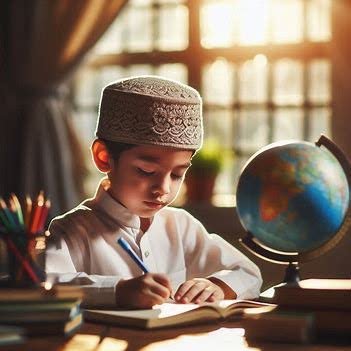
Islamic education plays a vital role in shaping a child’s identity, values, and understanding of the world. Islamic Studies for kids is not just about learning religious facts; it is about nurturing faith (Iman), developing good character (Akhlaq), and guiding children to live a meaningful life based on Islamic principles. When taught correctly and lovingly, Islamic studies help children grow spiritually, emotionally, and morally.
This article provides a comprehensive and child-friendly overview of Islamic Studies for kids, explaining its importance, key subjects, teaching methods, and long-term benefits.
Recommended: Benefits of Reciting Sura Kahf Dua: Guidance and Mercy from Allah
What Is Islamic Studies for Kids?
Islamic Studies for kids is a structured way of teaching children about Islam in an age-appropriate and engaging manner. It includes learning about Allah, the Prophet Muhammad ﷺ, the Qur’an, basic Islamic beliefs, worship practices, and moral values. The goal is to help children understand their religion clearly while developing a strong connection with Allah.
Unlike adult Islamic learning, children’s Islamic studies focus on simplicity, storytelling, repetition, and practical examples that children can relate to in daily life.
Importance of Islamic Studies in Childhood
Childhood is the foundation stage of learning. Whatever values are taught during these early years often stay with a person for life. Teaching Islamic studies to children helps them:
- Develop a strong belief in Allah
- Learn the difference between right and wrong
- Build honesty, kindness, patience, and respect
- Understand their purpose as Muslims
- Feel proud of their Islamic identity
Islamic education also protects children from confusion and negative influences by providing clear guidance based on the Qur’an and Sunnah.
Core Subjects Covered in Islamic Studies for Kids
Islamic studies for children usually include several essential topics, each designed to strengthen faith and understanding step by step.
1. Belief in Allah (Aqidah)
Children are introduced to the concept of Tawheed, the belief in the Oneness of Allah. They learn that Allah is the Creator, Sustainer, and Protector of everything. Lessons focus on Allah’s mercy, love, and power in a gentle and reassuring way that builds trust and faith rather than fear.
2. Learning About the Prophet Muhammad ﷺ
Children learn about the life of Prophet Muhammad ﷺ as a role model. Stories from his childhood, kindness, honesty, patience, and compassion help children understand how to behave with family, friends, and even animals. These stories inspire children to follow the Sunnah in simple daily actions.
3. Qur’an Education
Qur’an learning is a central part of Islamic studies for kids. This includes:
- Learning Arabic letters
- Practicing correct pronunciation (Tajweed basics)
- Memorizing short Surahs
- Understanding simple meanings of verses
The aim is to develop love and respect for the Qur’an, not to pressure children with unrealistic expectations.
4. Salah and Worship Practices
Children are gradually taught how to pray Salah, make wudu, and understand the importance of worship. Parents and teachers often encourage children by praying together, making worship a joyful experience rather than a burden.
5. Islamic Manners and Character (Akhlaq)
Islamic studies emphasize good manners such as truthfulness, patience, sharing, gratitude, and respect for elders. Children learn that good character is a form of worship and a key part of being a good Muslim.
Islamic Studies for Kids: Building a Strong Moral Foundation
Islamic Studies for Kids is most effective when lessons are connected to real-life situations. Children learn how Islamic teachings apply to school, friendships, family relationships, and personal behavior. For example, lessons on honesty can be applied to telling the truth at school, while lessons on kindness can be practiced by helping siblings or neighbors.
One of the most important aspects of teaching Islam to children is focusing on love for Allah rather than fear. When children understand that Allah is Merciful and always watching over them, they develop a healthy and positive relationship with their faith.
Effective Teaching Methods for Islamic Studies for Kids
Children learn best when teaching methods match their learning style and age.
1. Storytelling
Stories from the Qur’an and Seerah capture children’s attention and make lessons memorable. Stories of Prophets, Sahaba, and righteous people help children learn valuable lessons in an enjoyable way.
2. Interactive Learning
Using activities such as role-playing, drawing, nasheeds, and discussions helps children stay engaged and interested. Interactive learning encourages curiosity and questions, which strengthens understanding.
3. Consistency and Repetition
Children benefit from consistent lessons and gentle repetition. Repeating duas, short Surahs, and key concepts helps children memorize and internalize Islamic teachings naturally.
Role of Parents in Islamic Education
Parents are the first and most influential teachers of Islamic studies for kids. Children learn by observing their parents’ actions more than their words. When parents pray regularly, speak kindly, and follow Islamic values, children naturally imitate these behaviors.
Parents can support Islamic learning by:
- Reading Islamic stories together
- Praying Salah as a family
- Encouraging questions about Islam
- Creating a positive Islamic environment at home
Long-Term Benefits of Islamic Studies for Kids
Teaching Islamic studies from a young age provides lifelong benefits, including:
- Strong faith and spiritual confidence
- Moral decision-making skills
- Emotional stability and patience
- Respect for others and self-discipline
- A deep connection with the Qur’an and Sunnah
Children who grow up with a solid Islamic foundation are more likely to remain connected to their faith as adults.
Conclusion
Islamic Studies for kids is an essential part of nurturing well-rounded, confident, and morally strong Muslims. By teaching children about Islam in a loving, engaging, and age-appropriate way, parents and educators help shape a generation that understands its faith and lives by its values.
When Islamic education focuses on understanding, character, and connection with Allah, it becomes a source of peace, guidance, and strength throughout a child’s life.