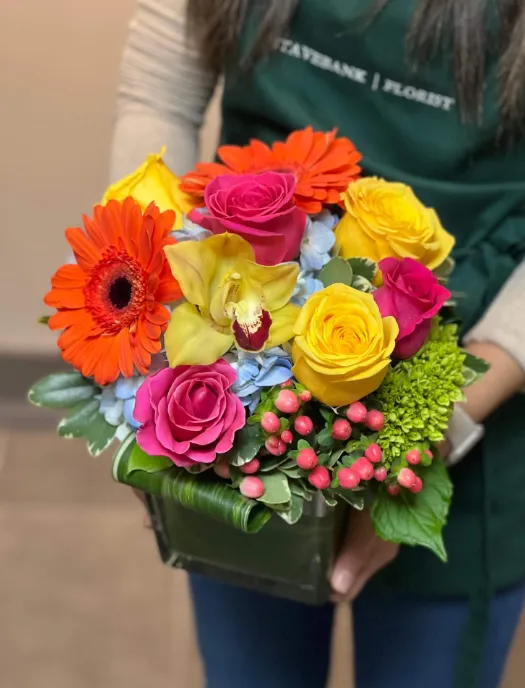
Sending flowers is one of those gestures that sounds simple until you actually have to pick something. Roses or peonies? Bright or soft? Same-day or next-day? For a birthday, you do not want something that reads as sympathy. For a recovery bouquet, you do not want anything that looks like a Valentine’s order. And in Mississauga, where the florist landscape is broader than it used to be, the abundance of options can actually make the decision harder, not easier.
If the goal is to skip the trial-and-error part of comparing shops, the easiest starting point is a local marketplace like LocalFlower, which puts several Mississauga florists in one search so the search itself takes minutes instead of an afternoon. From there, the actual decision is mostly about matching the bouquet to the moment — and that is what this guide is really about.
Start With the Occasion, Not the Flower
Most flower-buying mistakes happen because people start with the wrong question. They ask “what flowers do I like?” instead of “what is this bouquet supposed to say?” Those are very different starting points. A bouquet that looks gorgeous in your living room may feel completely off in a hospital room. A romantic arrangement may land awkwardly at a workplace birthday. Lead with the occasion, and the flower choice follows naturally.
A short cheat sheet for the most common Mississauga flower-sending moments:
- Birthdays. Bright, cheerful, mixed. Sunflowers, gerbera daisies, lilies, ranunculus, mixed seasonal stems. Avoid anything that reads too formal.
- Anniversaries. Roses still dominate, but the colour matters. Red for traditional, pink for warmer and more affectionate, white for clean and elegant. A milestone year often deserves a larger bouquet rather than a different flower.
- Get well soon. Soft, light, scent-light. Avoid heavily fragrant lilies in a hospital — many wards do not allow them, and recovering patients often find strong scents nauseating.
- Sympathy. White and cream tones, often lilies, chrysanthemums, white roses, or hydrangeas. Less is more here. Avoid bright colours and busy mixes.
- Thank you / appreciation. Warm colours, mid-size arrangements, nothing oversized. Tulips, alstroemeria, and softer roses all work well.
- New baby. Pastels, soft pinks or blues, smaller arrangements that will not crowd the parents’ kitchen counter.
- Just because. The most underrated category. A small, well-styled bouquet “for no reason” lands differently from one with a clear occasion attached. Seasonal blooms in their natural mix are usually the right answer.
Match the Style to the Recipient, Not Yourself
A common trap: people order flowers they would like to receive, not flowers the recipient would like. A 70-year-old grandmother in Cooksville and a 28-year-old condo dweller near Square One usually want very different arrangements, even if the occasion is the same. Before clicking checkout, picture the bouquet in their actual home. Does it match the kind of place they live in? Does the colour palette match the way they dress? Those are surprisingly accurate filters.
If the recipient’s taste is genuinely a mystery, the safest defaults are:
- Seasonal mixed bouquets (rarely wrong — the florist tones them to whatever is freshest that week).
- Garden-style arrangements in soft white-to-pink palettes (work across nearly every age and household style).
- Avoid anything overly stylized — black ribbons, neon dyes, sculpted shapes — unless you know the recipient specifically likes that aesthetic.
Timing Matters More in Mississauga Than People Realize
Mississauga has a few quirks that affect delivery success. The first is geography. The city is large enough that a florist based downtown may charge more — or simply decline — to deliver to Meadowvale, Erin Mills, or Streetsville. Always check the delivery zone before ordering. A bouquet that arrives a day late is a worse gift than a smaller bouquet that arrives on time.
The second is condo density. Mississauga has a fast-growing condo skyline, and not every building accepts deliveries the same way. Some concierges hold flowers for pickup; others refuse anything that needs water. Mention the unit number in the order notes, and where possible, tell the recipient that something is coming so they can be ready to bring it inside.
The third is timing of order placement. Most florists in Mississauga set same-day cut-offs between noon and 2 p.m. Orders placed before 11 a.m. give the florist time to actually choose stems, build the bouquet without rushing, and dispatch the driver during the calmer part of the day. Late-morning orders almost always look better than late-afternoon ones.
Budget: What You Actually Get at Each Price Point
Rough Mississauga price ranges in 2026, useful for setting expectations:
- Under $40. A small, single-flower-type bouquet — typically tulips, daisies, or a modest carnation mix. Good for casual sends.
- $50–$80. The standard “real bouquet” range. Mixed seasonal stems, balanced palette, suitable for birthdays, thank-yous, and most everyday occasions.
- $90–$140. Premium designs. Often includes statement flowers like peonies, anthurium, or large-headed roses. Strong choice for anniversaries and milestone moments.
- $150 and up. Custom and event-scale work — larger arrangements, more unusual stems, hand-tied or vase-included designs. The point at which it stops being “a bouquet” and starts being “a centerpiece”.
Final Thought
Flowers do not need to be complicated. The bouquet that lands well is almost always the one that matches the occasion, fits the recipient’s life, and arrives on time. Spend a few extra minutes on the brief — what the moment is, who the person is, when they will be home — and the choice gets easier. The Mississauga florist scene is broad enough in 2026 that almost any well-defined order can be filled well; the trouble usually only starts when the order itself is vague.


